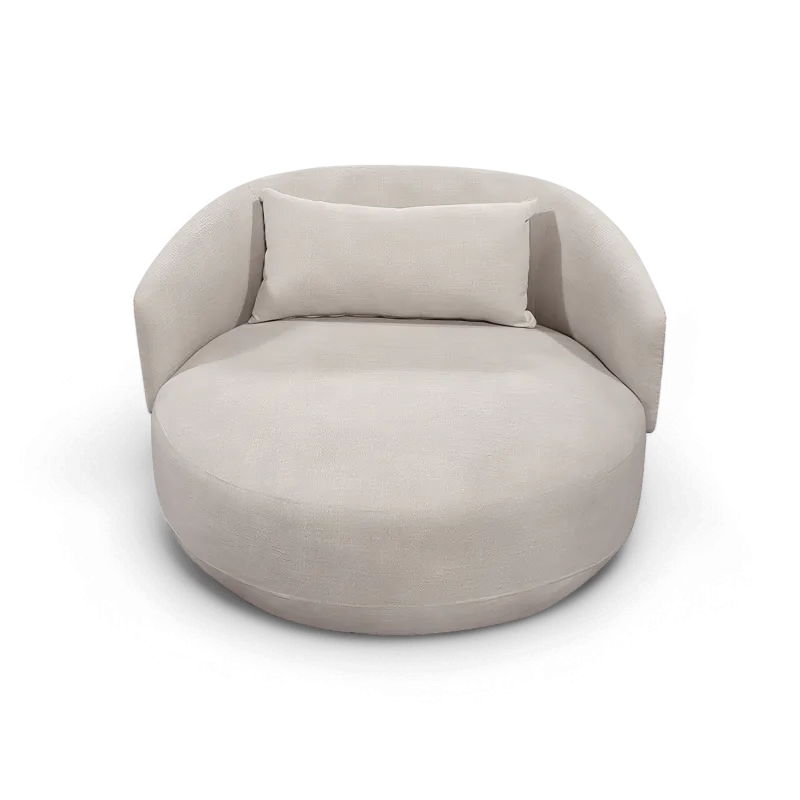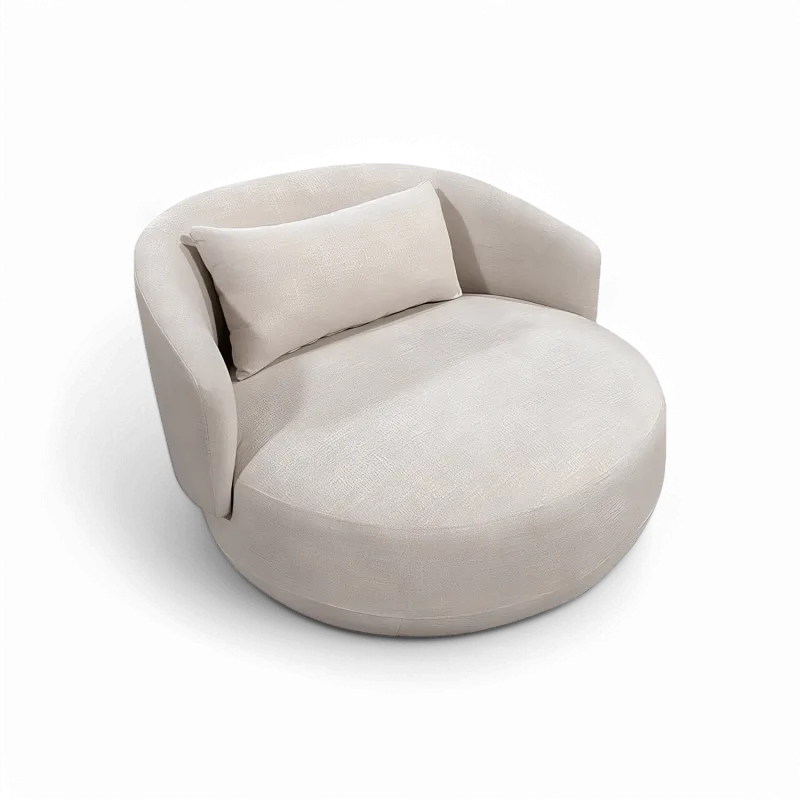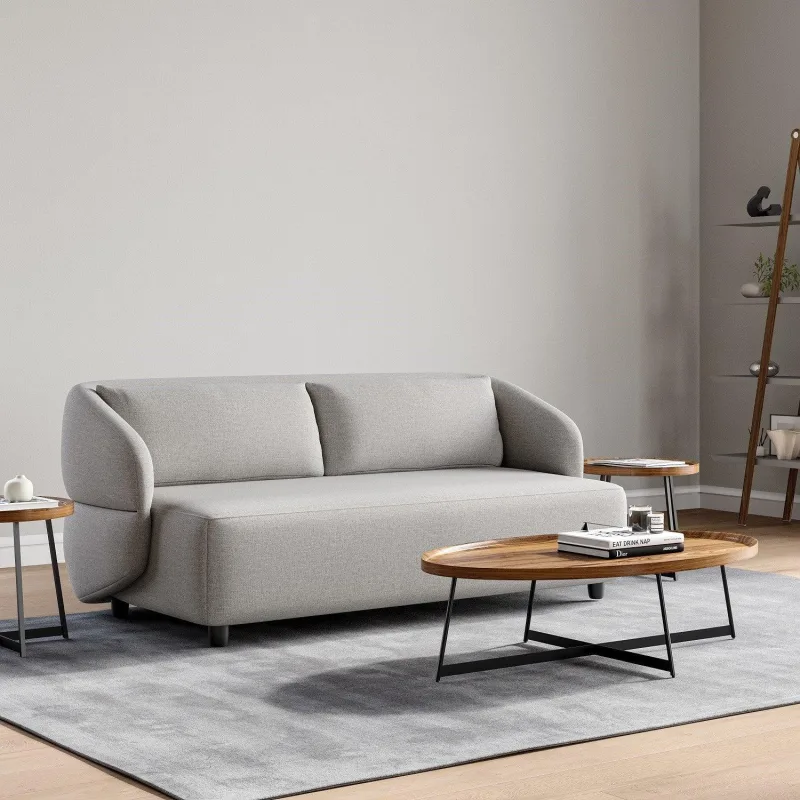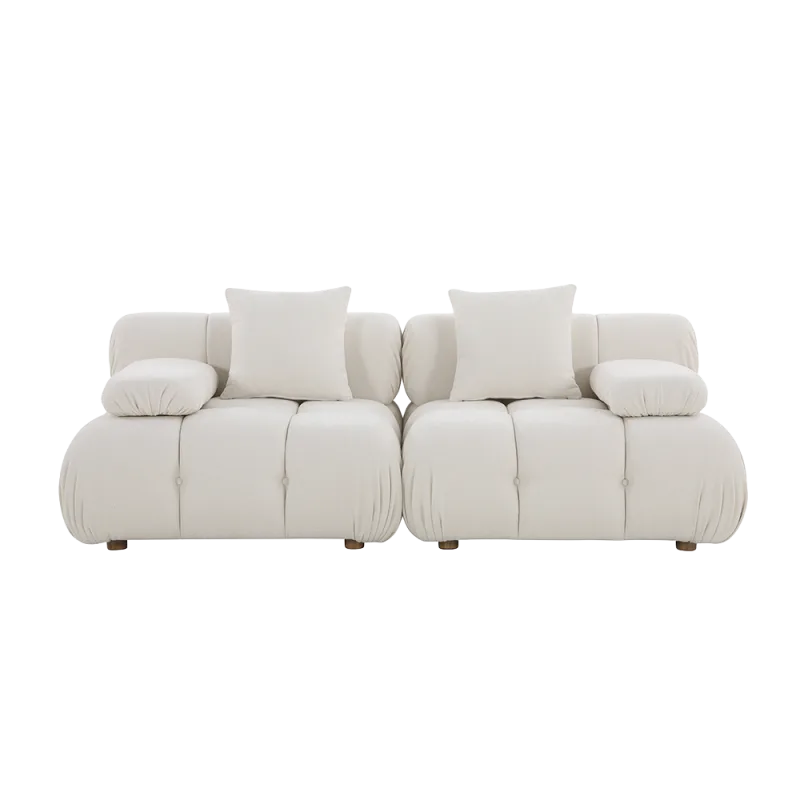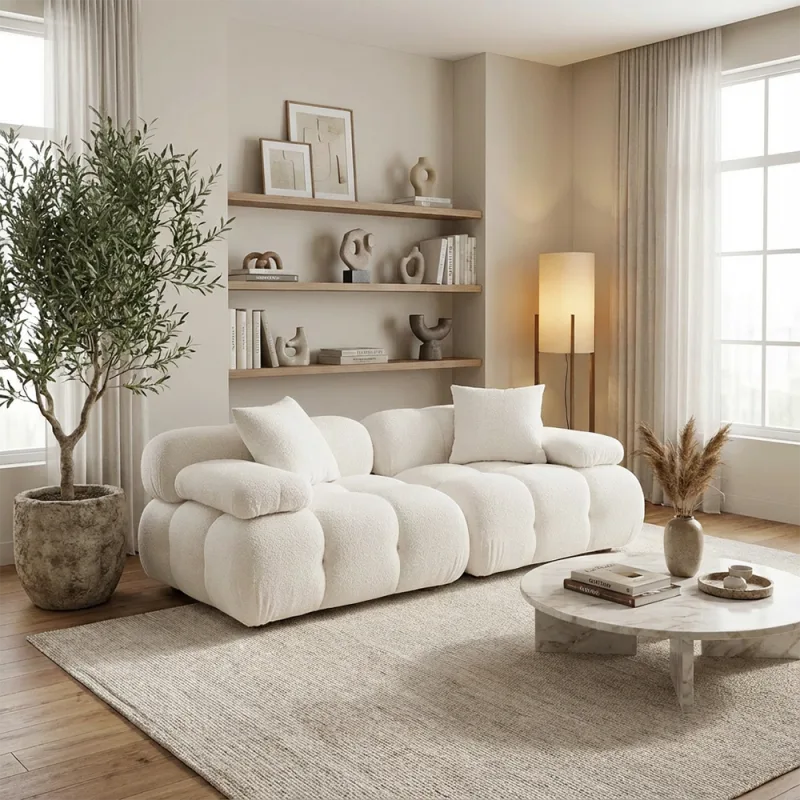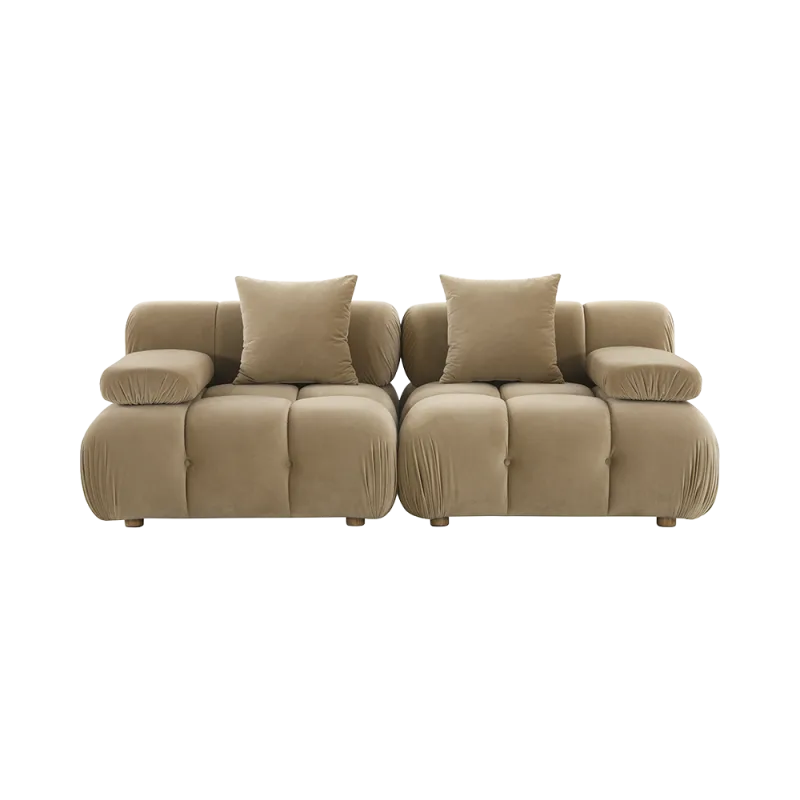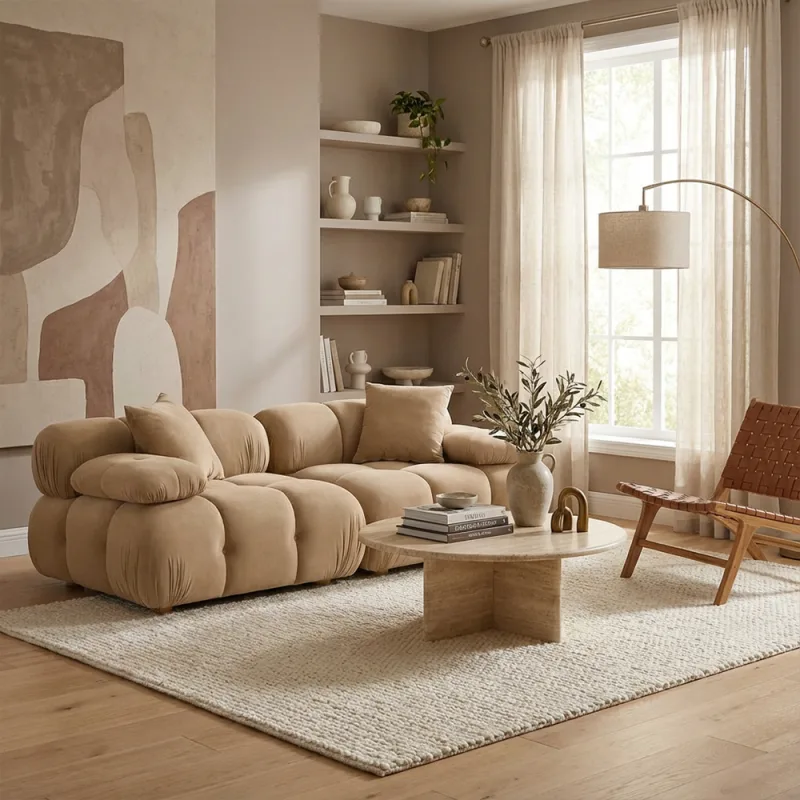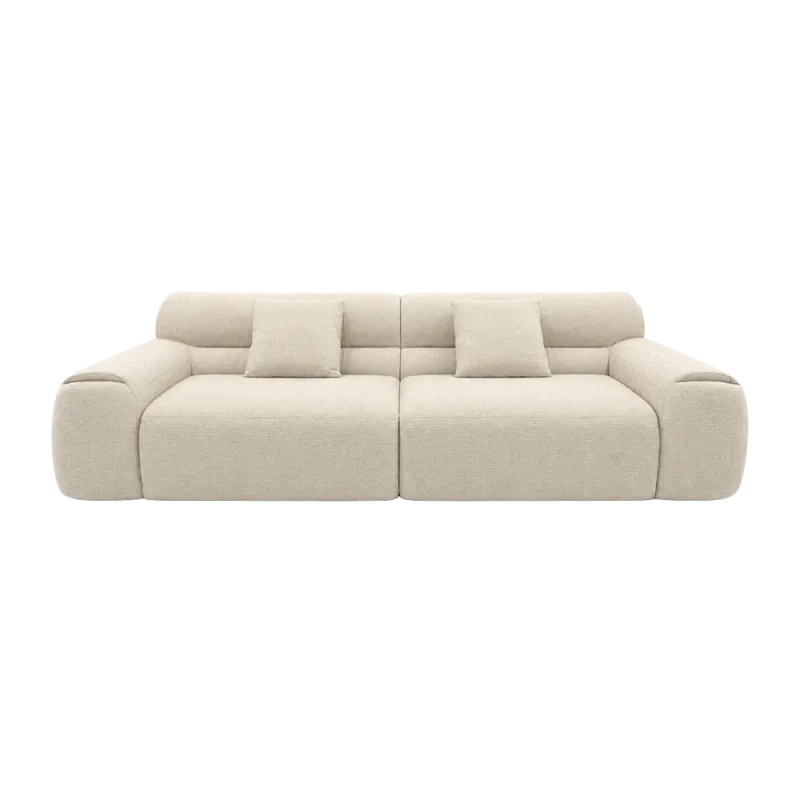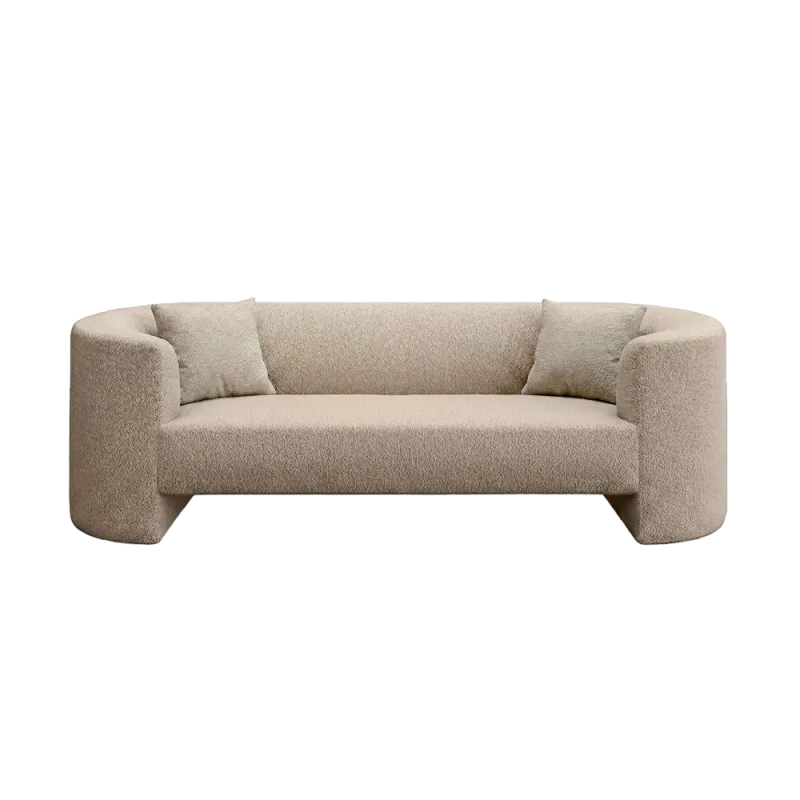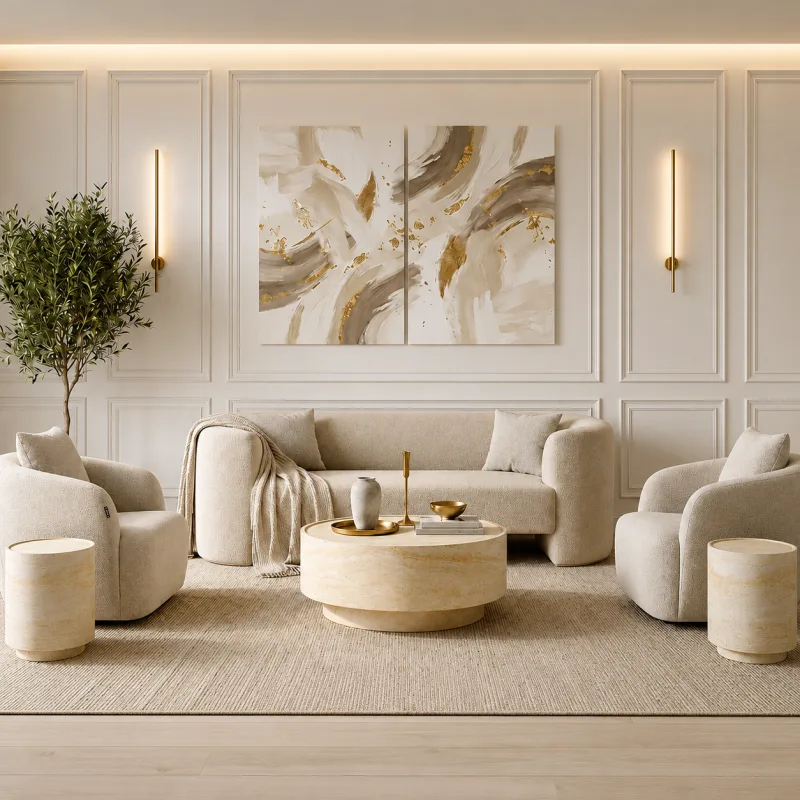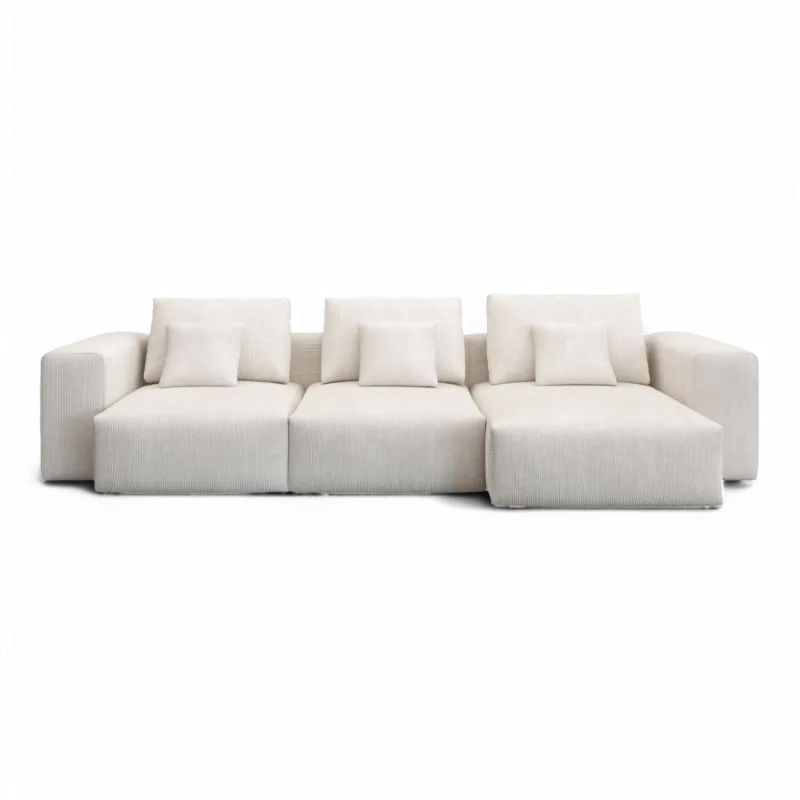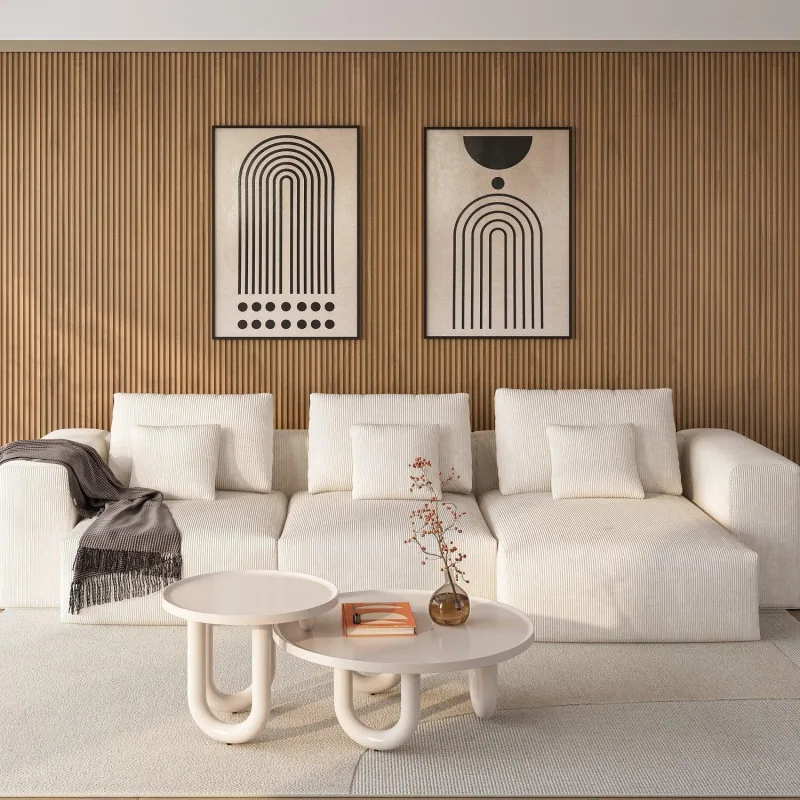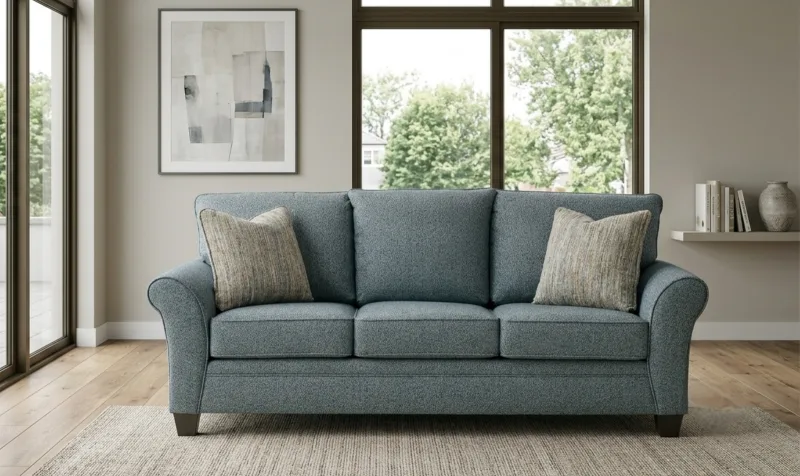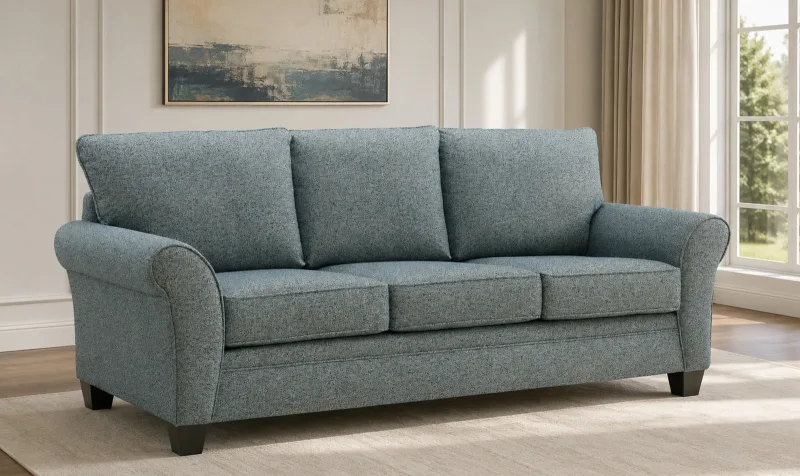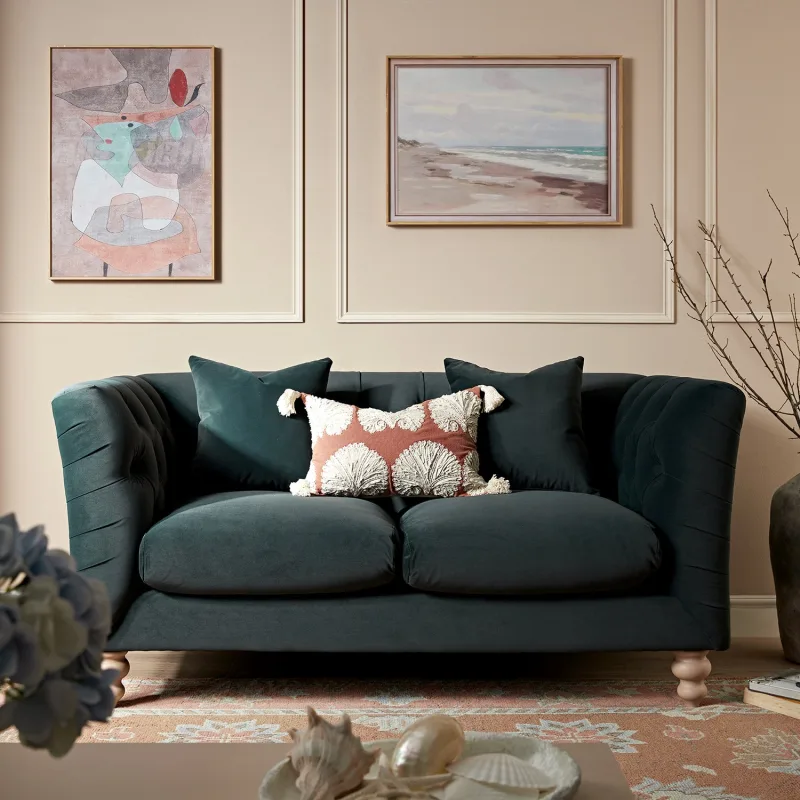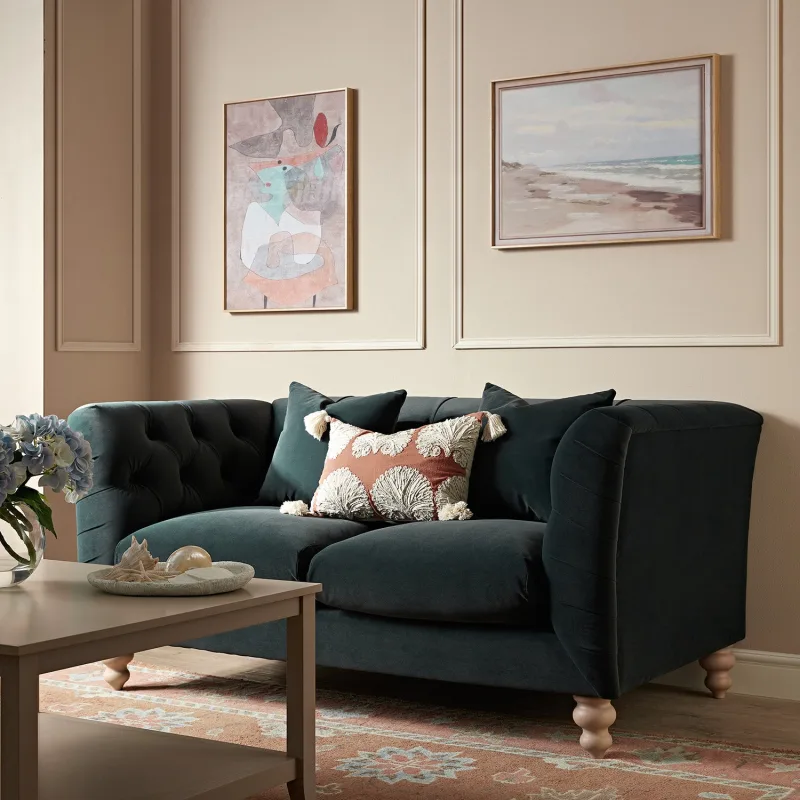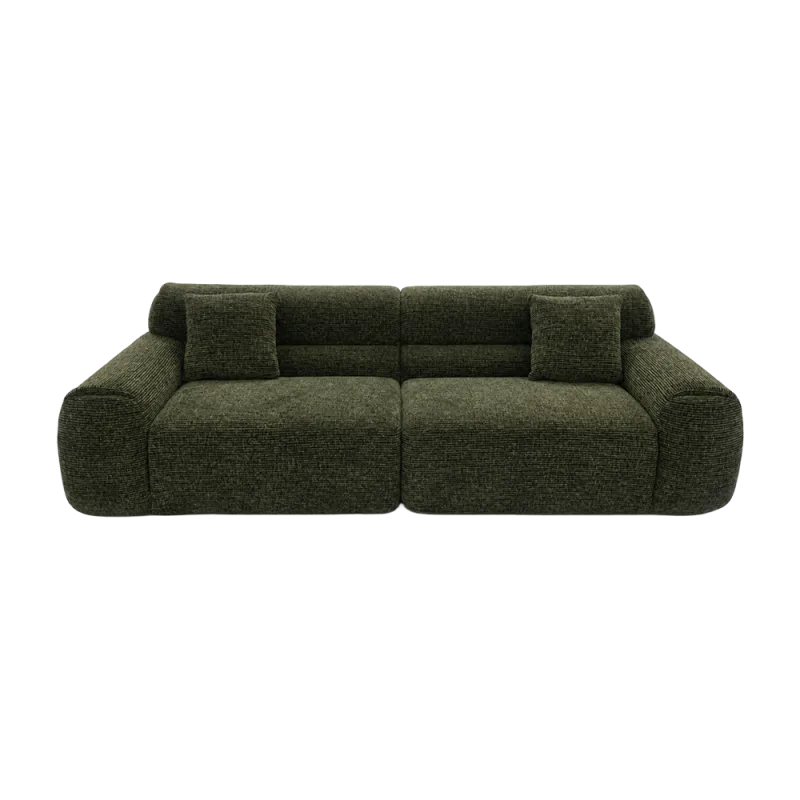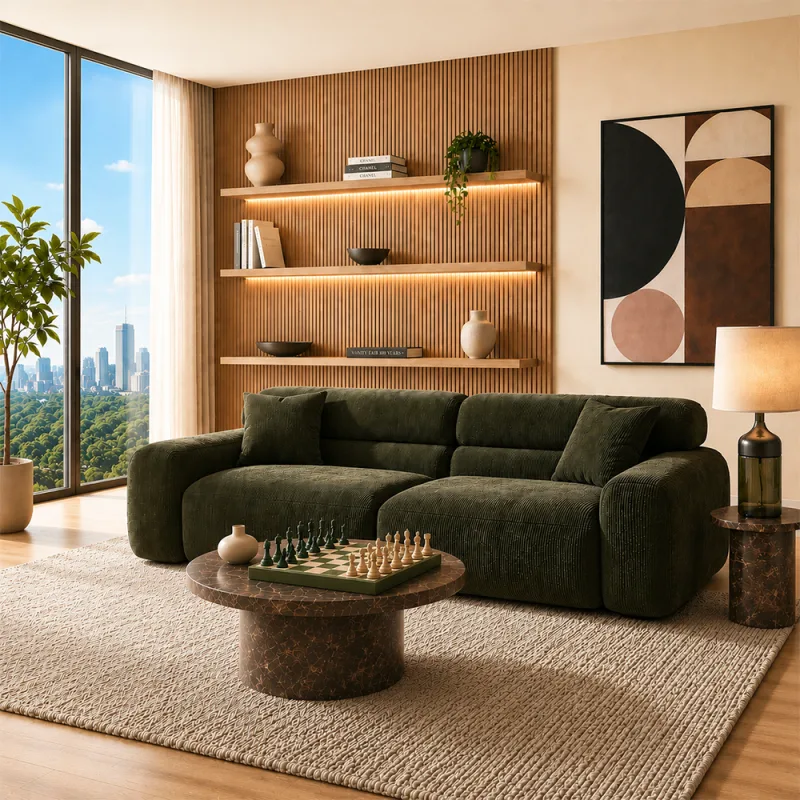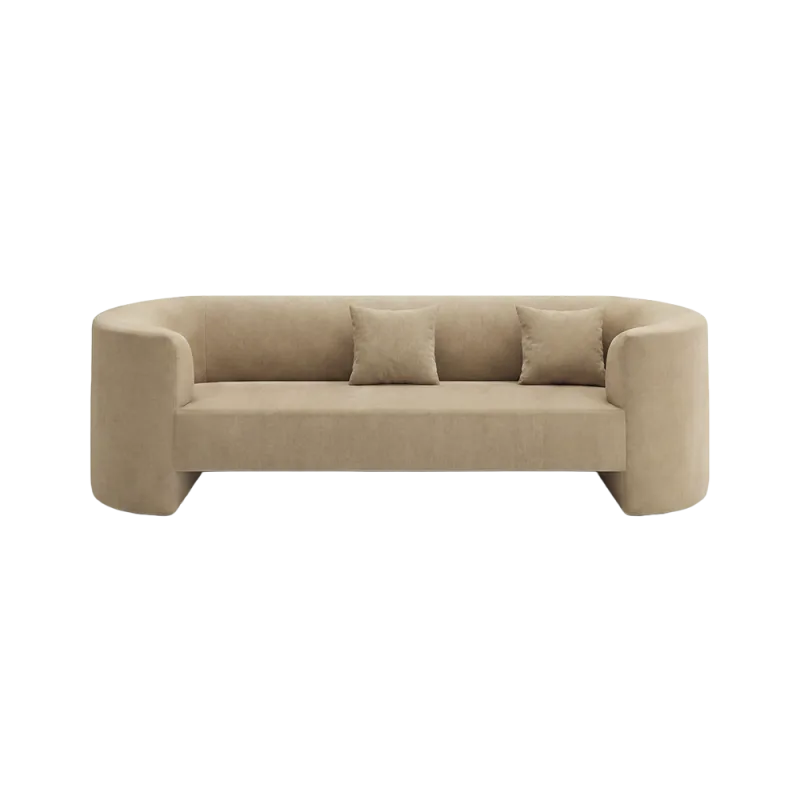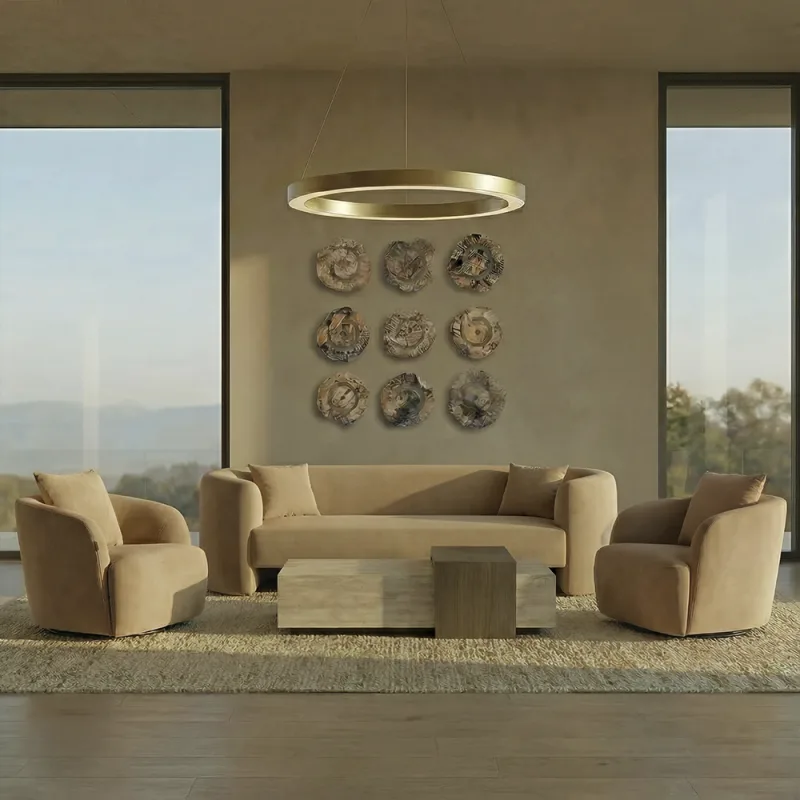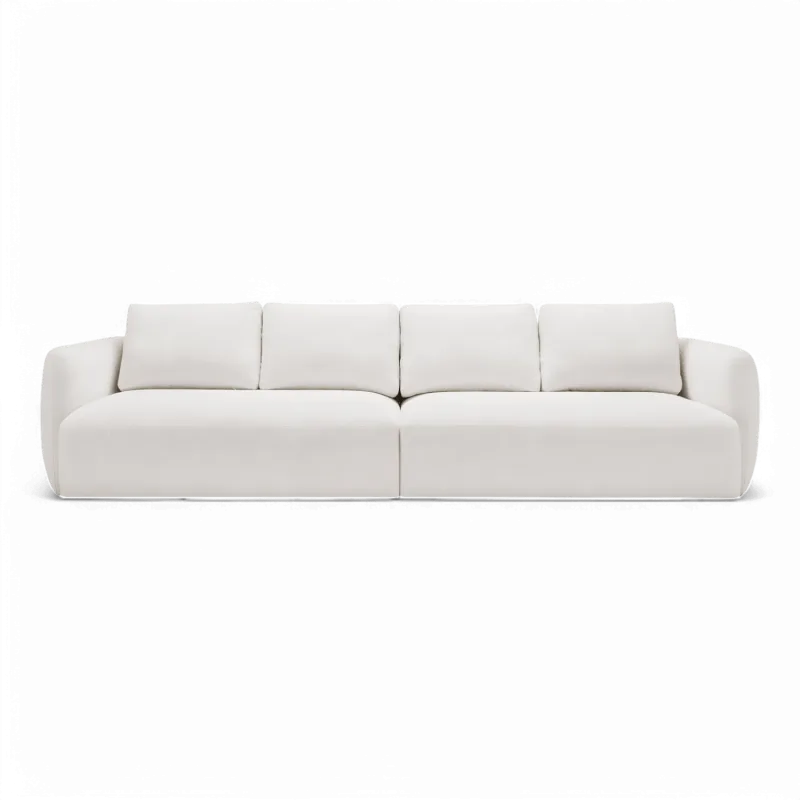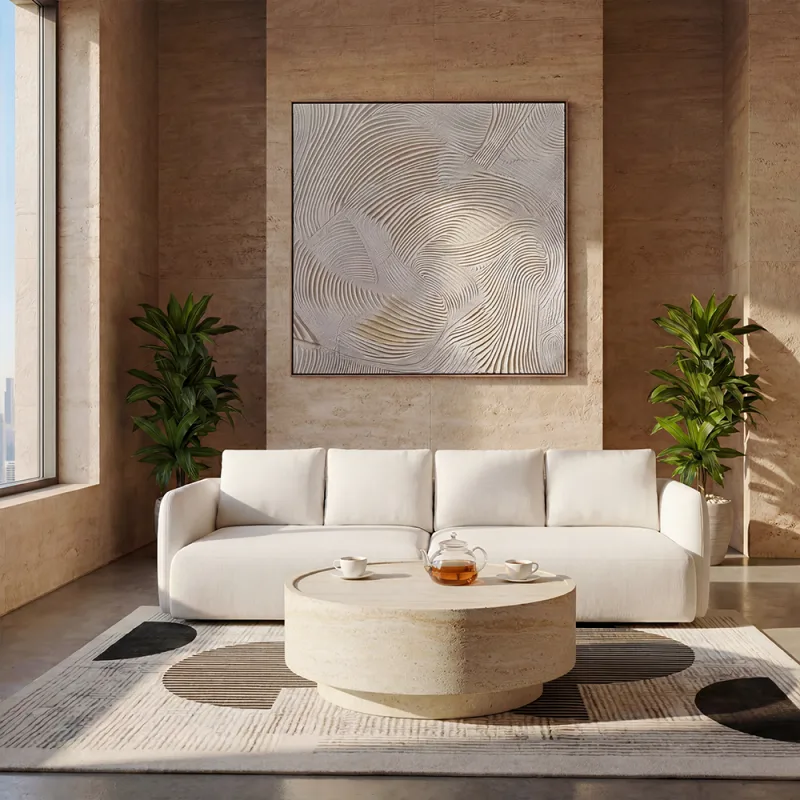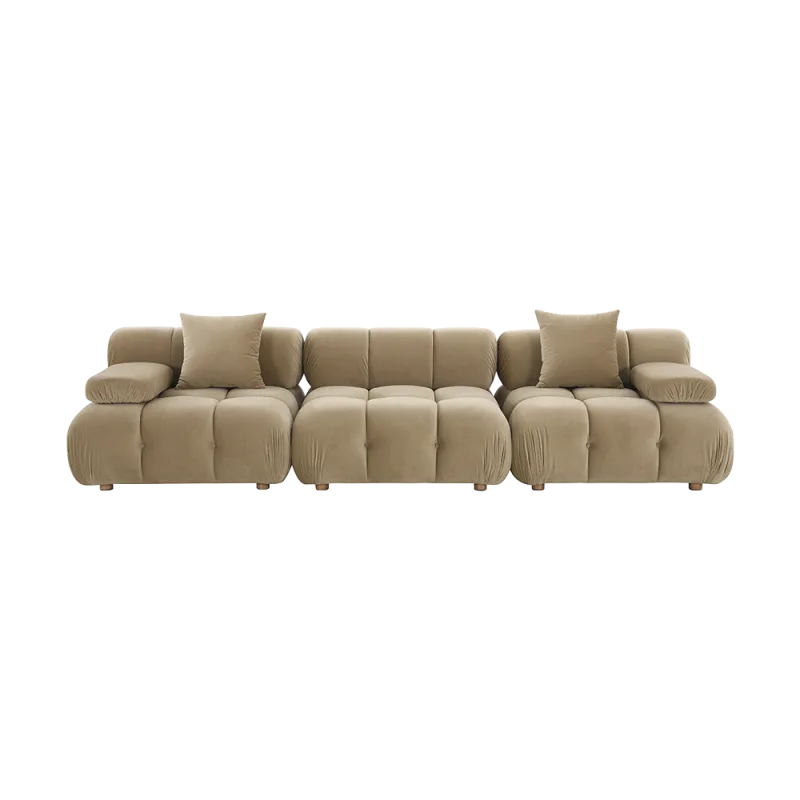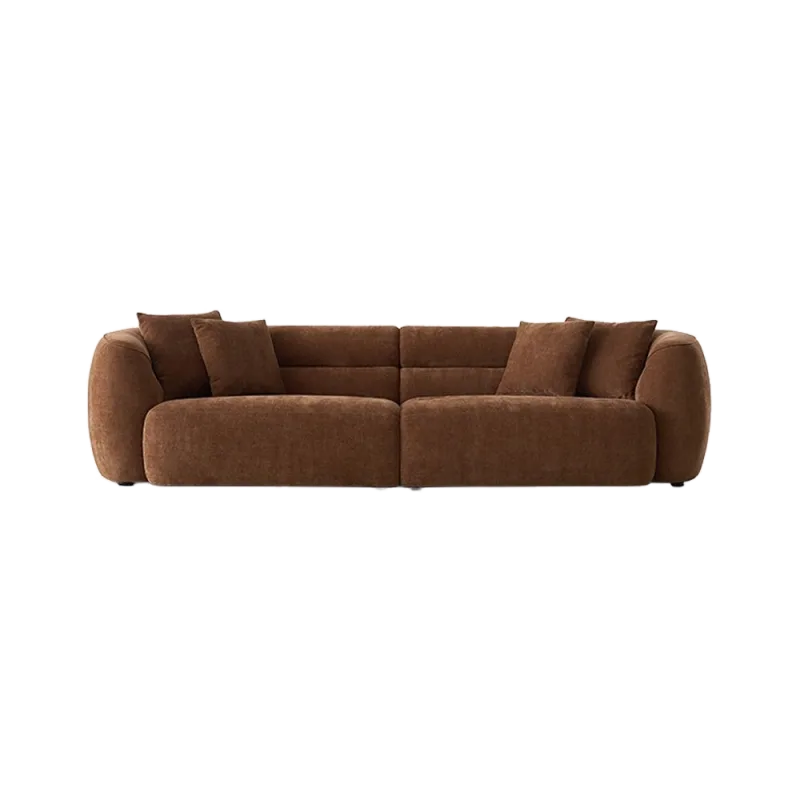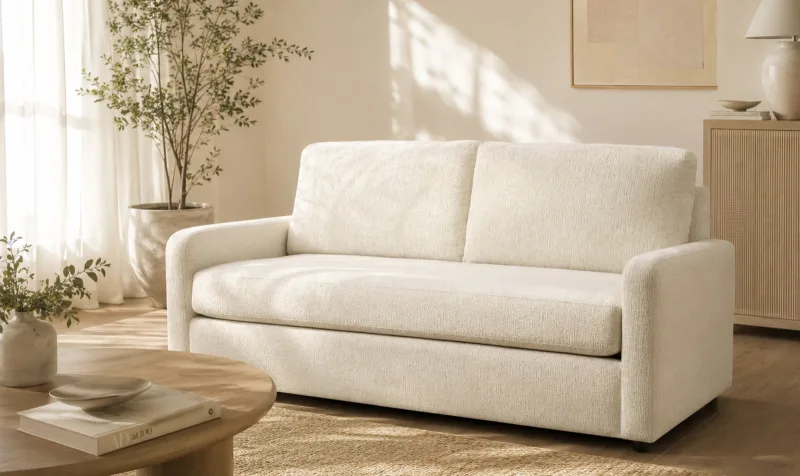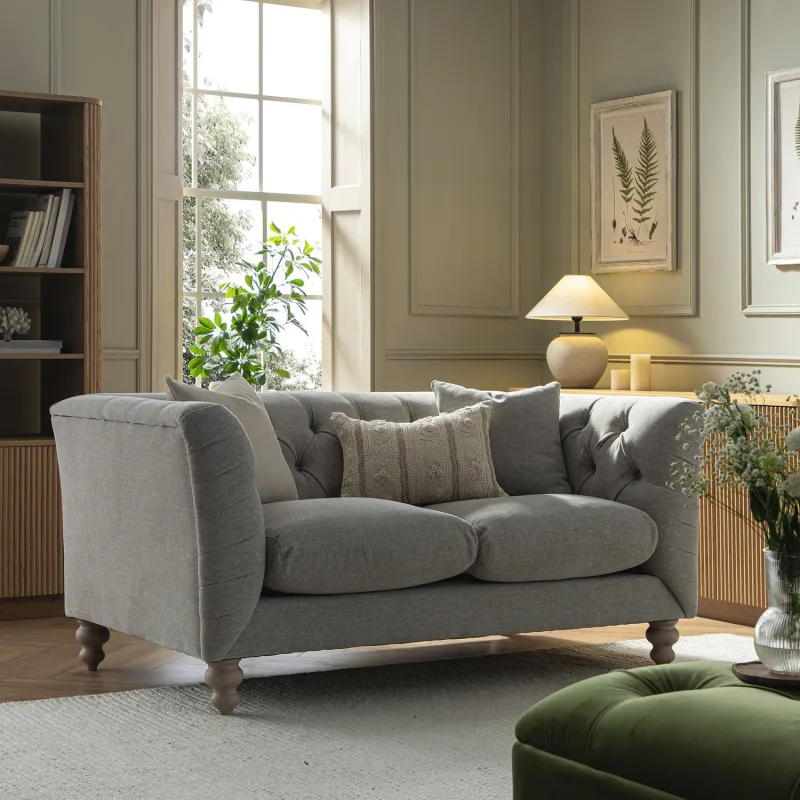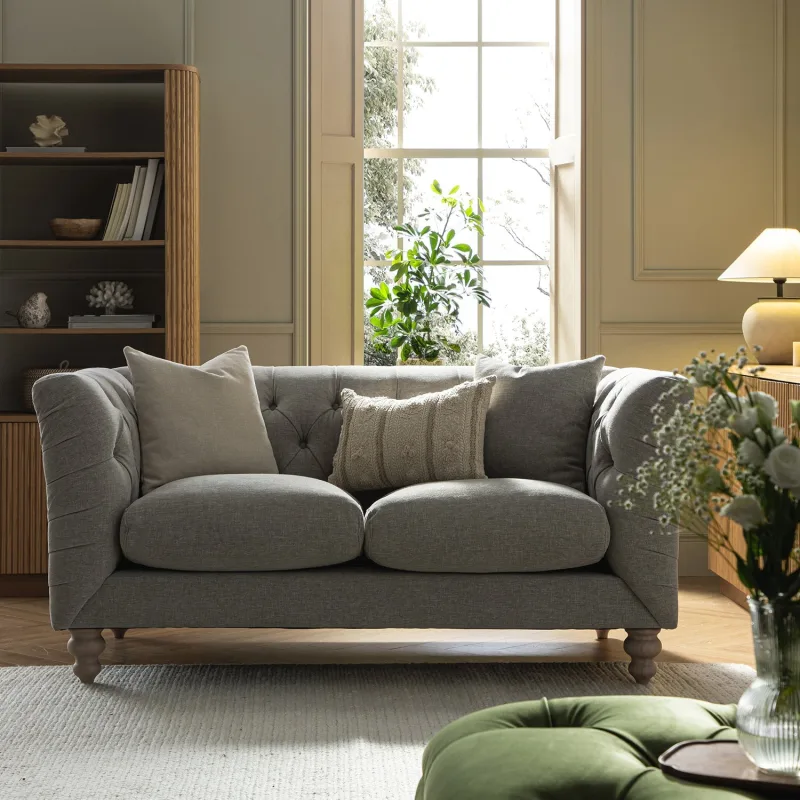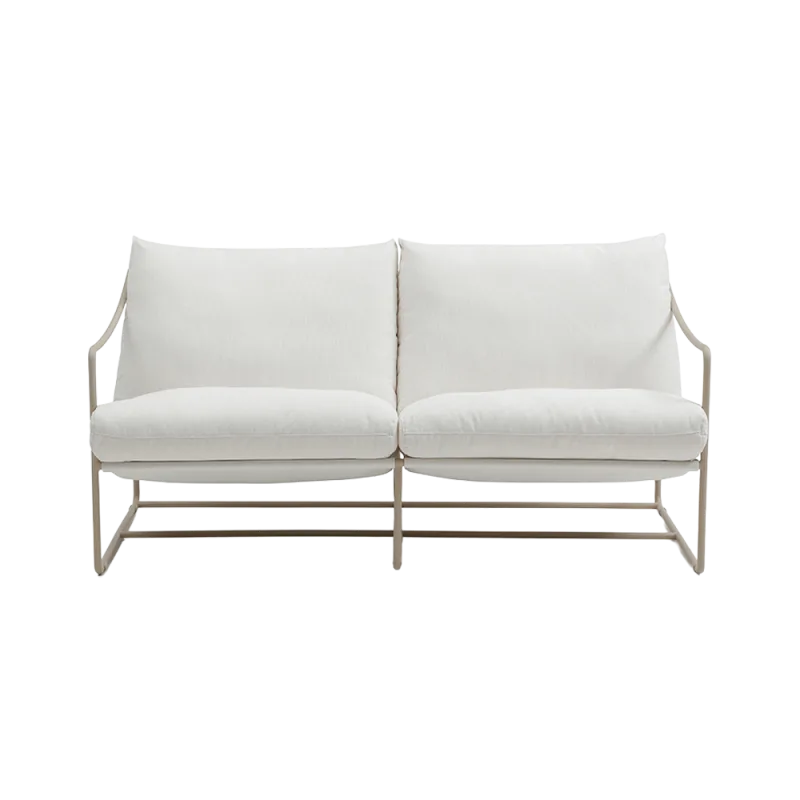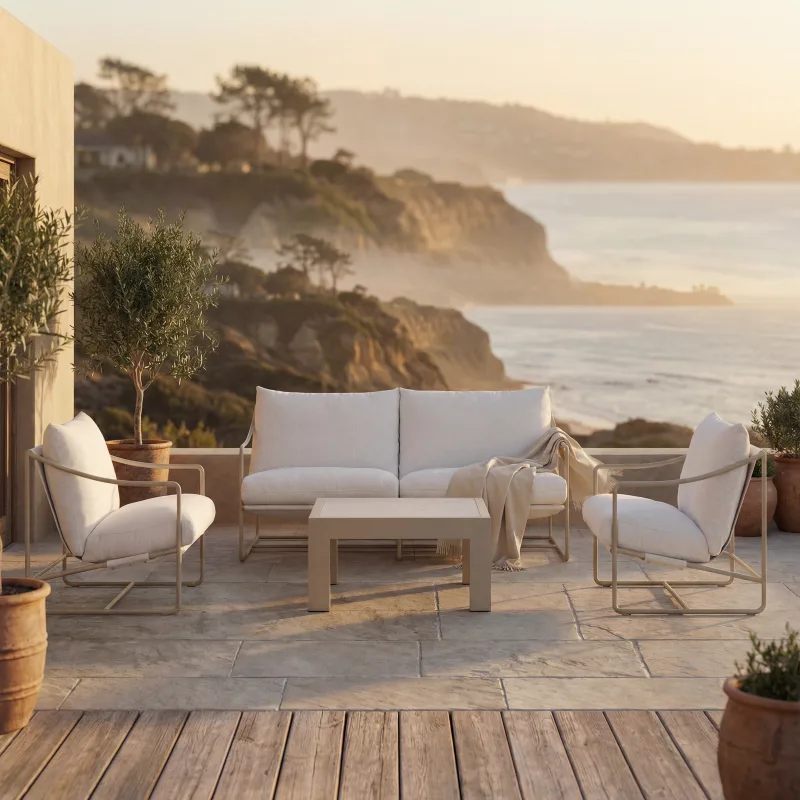
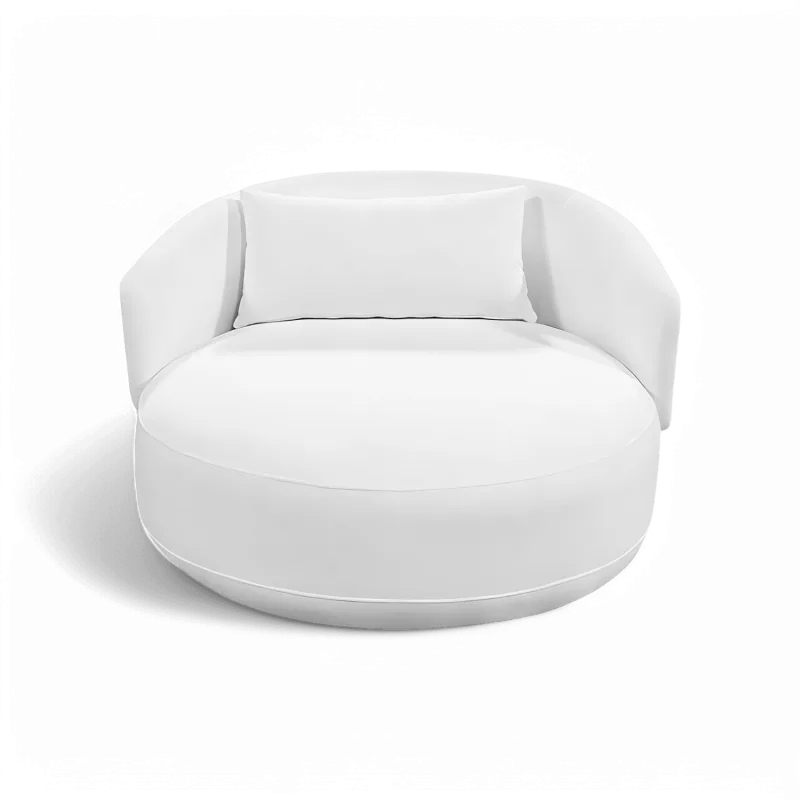
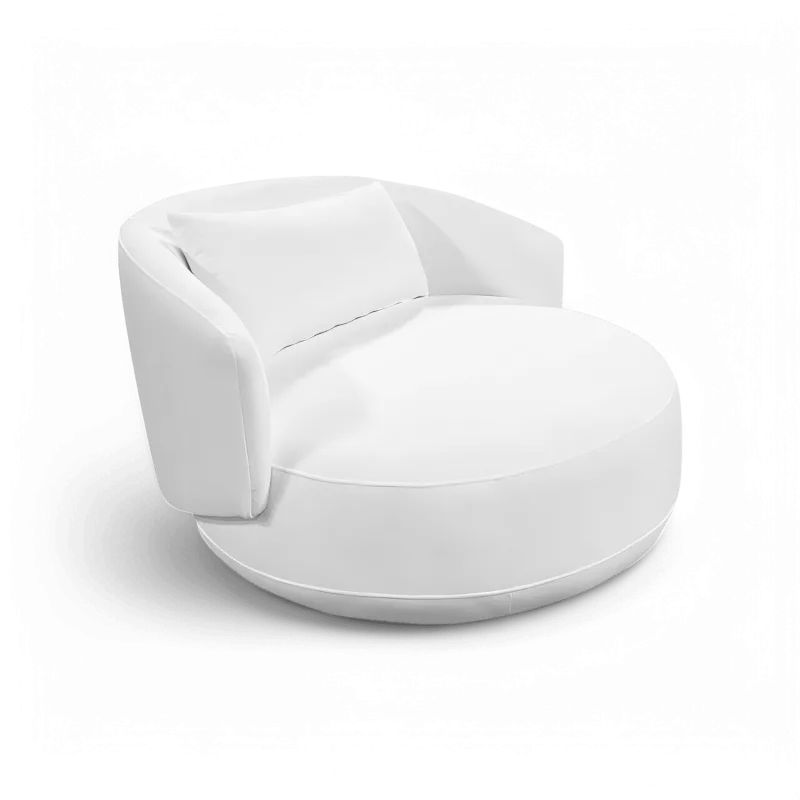
Loveseat in White with Elegant Curved Arms
₹51,642
₹94,899
Made to order in Mumbai · Custom sizes and fabrics
Every sofa here is built after you order it, in our Mumbai workshop. Start with how many people need to sit, pick the shape that suits your room, then choose the fabric and length. If the standard size is close but not quite right, we can change it.
Before you buy
What to measure, which fabric to pick and how to choose between the designs above.
Buying a sofa gets easier when you stop looking at hundreds of photos and answer four questions in order: how many seats, which shape, how deep, and which fabric. Each answer narrows the choice, and by the end you are usually picking between three or four designs instead of three hundred.
The sections below go through each decision with measurements, and link to the collections and guides that go deeper.
Seat count decides the length, and length decides whether the sofa fits your wall. These are typical lengths for our straight sofas. Made-to-order sizes can go a little shorter or longer.
| Sofa | Typical length | Works well in |
|---|---|---|
| Single seater | 75–100 cm | Bedrooms, reading corners, next to a larger sofa |
| 2 seater | 140–175 cm | 1 BHK living rooms, studies, couples |
| 3 seater | 180–225 cm | Most 2 BHK living rooms, families of three or four |
| 4 seater | 230–260 cm | Long walls, open living and dining spaces |
| 5 seater and up | Usually L, U or a set | Large rooms, joint families, home theatres |
A good rule: the sofa should take up about two thirds of the wall it sits against. On a 3 metre wall, that is roughly 200 cm, which leaves space for a side table or a lamp. Our guide to choosing the right sofa size walks through the full method with masking tape on the floor.
If you are torn between two sizes, read 2 seater vs 3 seater. In many flats, two 2 seaters facing each other work better than one long sofa, because conversation is easier and the walkway stays open.
Shape is about how the sofa meets the walls and the walkways. Here is what each one is good at.
The simplest and most flexible. A straight sofa moves easily from one home to the next, fits through doors more easily and pairs with almost anything. If you rent or expect to move, start here.
An L shape sofa seats more people on the same floor area by using the corner. The long side usually runs along the main wall and the short side (or chaise) creates a natural edge to the seating area. A corner sofa has a true corner seat, which is comfortable for one person but can feel tight for two. Our corner vs L shape comparison explains when each one wastes or saves space.
A U shape sofa wraps around three sides of a coffee table. It is the most sociable layout and the best for big families, but it needs a room of at least 14 by 16 feet to avoid feeling boxed in.
A sectional sofa is made of separate pieces that join together. You can rearrange the pieces, add one later, or split the sofa between two rooms when you move. This is useful in Mumbai, where many families shift homes during redevelopment.
A curved or C shape sofa softens a square room and looks good floating in the middle of a space. It suits conversation more than TV watching, because people at the ends face each other.
Two sofas with the same length can feel completely different because of depth and seat height.
We explain all of this, with a diagram, in how deep should a sofa be and sofa dimensions explained.
Fabric is where most regret happens, usually because the choice was made on colour alone. Think about use first.
| Fabric | Feel | Good for | Watch out for |
|---|---|---|---|
| Woven polyester and blends | Smooth to textured | Everyday family use, easy care | Very loose weaves can snag |
| Velvet | Soft, rich colour | Living rooms with a statement look | Shows pressure marks; brush it regularly |
| Boucle | Looped, textured | Modern, soft-looking rooms | Pet claws can pull the loops |
| Linen and cotton | Natural, cool | Relaxed, airy rooms | Wrinkles and stains more easily |
| Leather and leatherette | Smooth, cool in AC | Wipe-clean homes, offices | Hot in direct sun; keep away from windows |
For a full comparison, read the best sofa fabric for Indian weather and leather vs fabric. If you have children or a dog, look at pet-friendly fabrics before you fall in love with a pale boucle.
Style is the last decision, not the first, because comfort and size matter more over ten years than a trend does. Still, a sofa sets the tone of a room, so it is worth choosing one you will like for a long time.
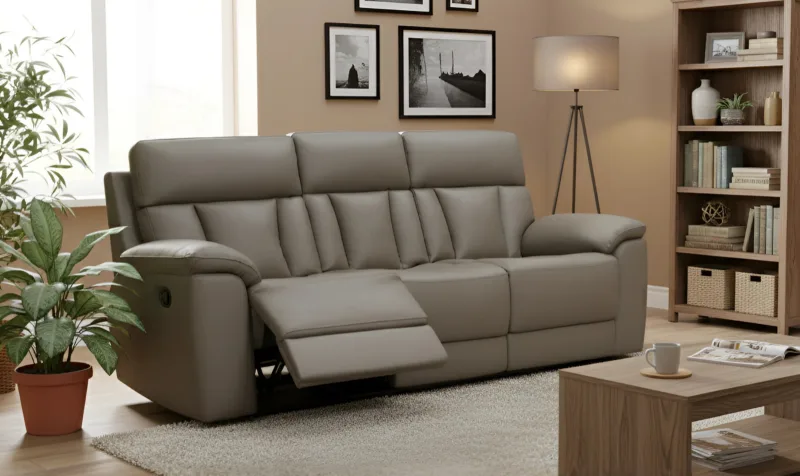
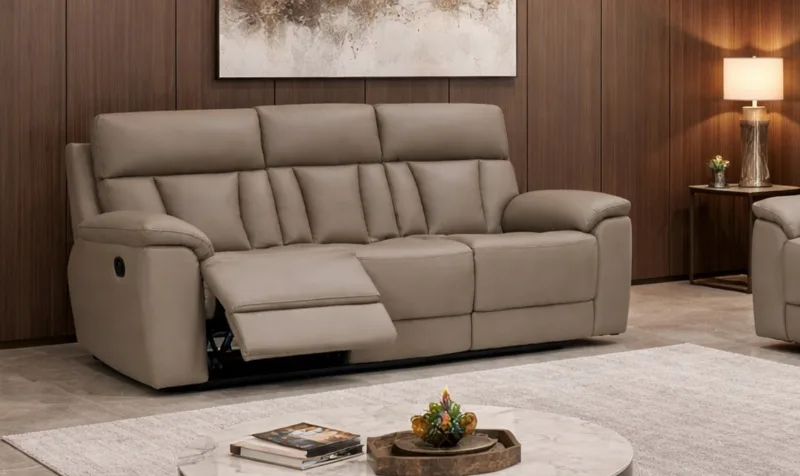
Many homes need a sofa that also works as something else. A sofa cum bed turns a study into a guest room. A recliner sofa gives proper leg support for film nights and for older parents. A sofa with storage underneath hides bedding and board games. Our guide to choosing a sofa cum bed covers mechanisms and mattress thickness.
Because nothing is built until you order, you can change things that a showroom sofa cannot: the length to fit between a pillar and a door, the depth for a tall partner, a fabric from another design, the leg finish to match your floor. We confirm every detail with you, including how the sofa will reach your flat, before production starts.
The trade-off is time. A made-to-order sofa takes a few weeks instead of a few days. The expected time is shown on each product page. If you are planning around a house move or a family event, tell us the date when you order. Read more in made to order vs ready-made sofas.
Two sofas that look alike in a photo can be far apart in price. The difference is usually inside, where you cannot see it, so it helps to know what you are paying for.
Every product page shows a starting price for the standard size and fabric. If you change either, we send the revised price before anything is made, so there are no surprises later. Our guide to sofa prices in India explains typical ranges and where it is worth spending more.
Most delivery problems in apartment buildings are about the route, not the room. Before ordering, measure:
The sofa's depth or height, whichever is smaller, must pass through each of these. Many of our designs have removable legs and some have removable arms, which helps a lot. Our step-by-step guide on how to measure for a sofa includes the lift diagonal method.
Coastal humidity is hard on furniture. Damp air settles into foam, wood swells slightly through the monsoon and dark corners can turn musty. A few choices help: a frame made from seasoned, treated wood; raised legs so air moves underneath; fabrics that breathe instead of trapping moisture; and a gap of a few centimetres between the sofa back and an outside wall. If your flat faces the sea, avoid placing a leather or dark velvet sofa in strong afternoon sun, which fades colour and dries out leather. Our guide to sofas for humid weather has more detail.
A good sofa lasts well over a decade if you rotate the cushions, vacuum it every week or two, keep it out of harsh afternoon sun and give it some air during the monsoon. Read how to clean a fabric sofa and protecting your sofa during the monsoon for simple routines that work in humid cities.
Send us your wall length and a photo of the room. We will suggest sofas that fit and the fabrics that suit your home.
Send room size on WhatsApp