
Chairs and Stools
Every seat in the house apart from the sofa lives here: accent chairs, lounge chairs, recliners, sofa chairs, dining chairs, bar and counter stools, ottomans and benches. This page explains what each type is for, how they differ in height and comfort, and how to choose between them for your rooms. Every piece is made to order in our Mumbai workshop, in the fabric or leather you pick.


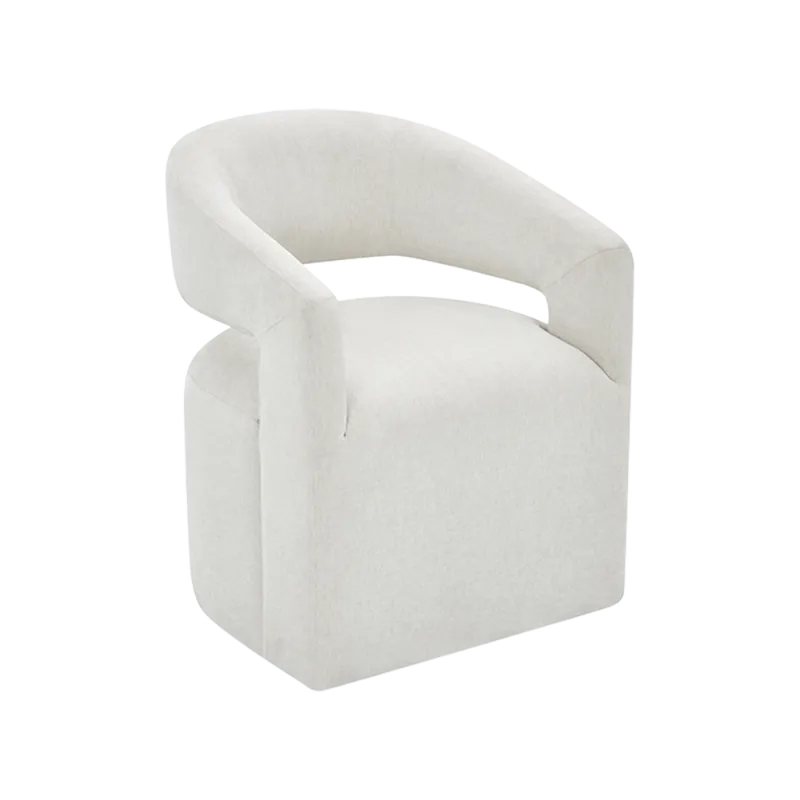
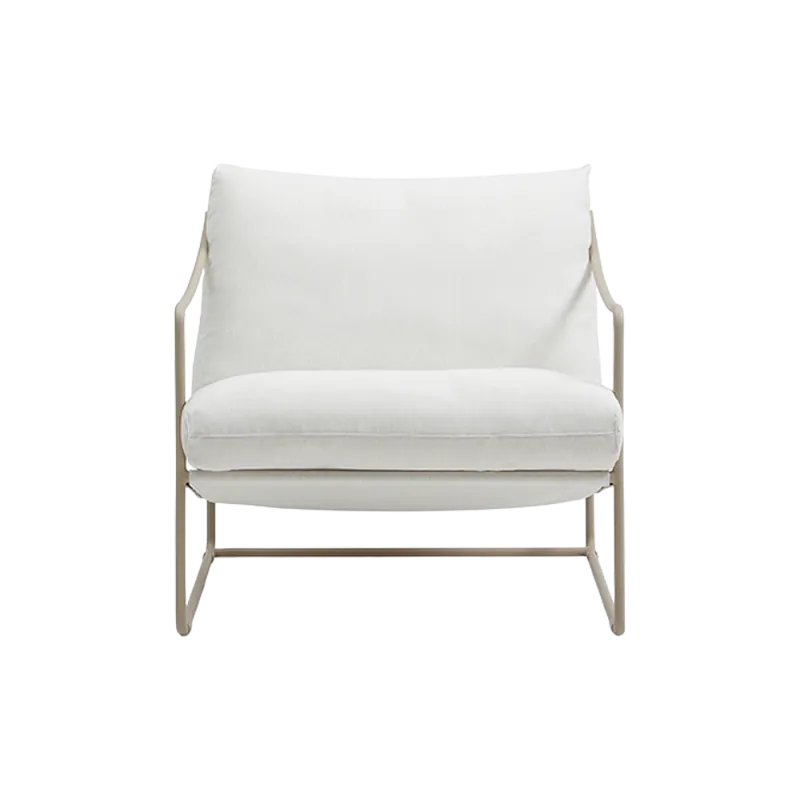

Outdoor Lounge Chair with Weather-Resistant Fabric


Counter Stool in Beige with Wooden Legs
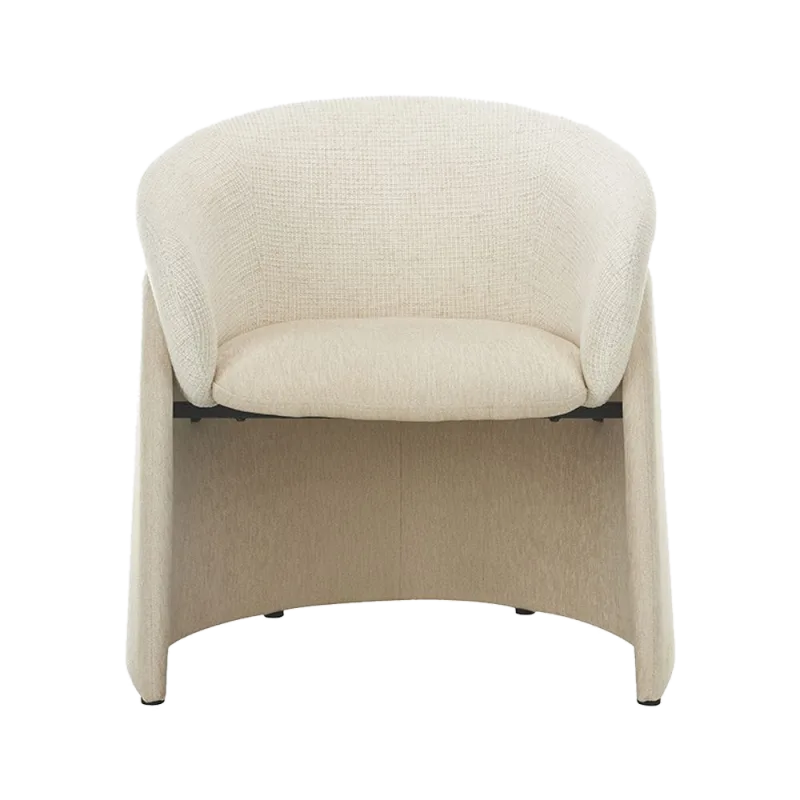


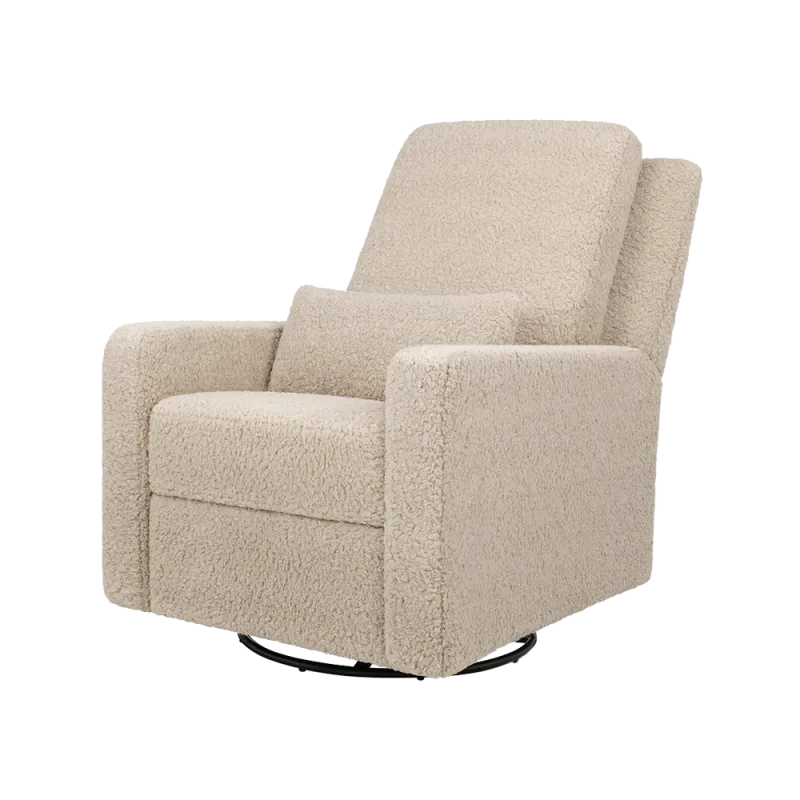


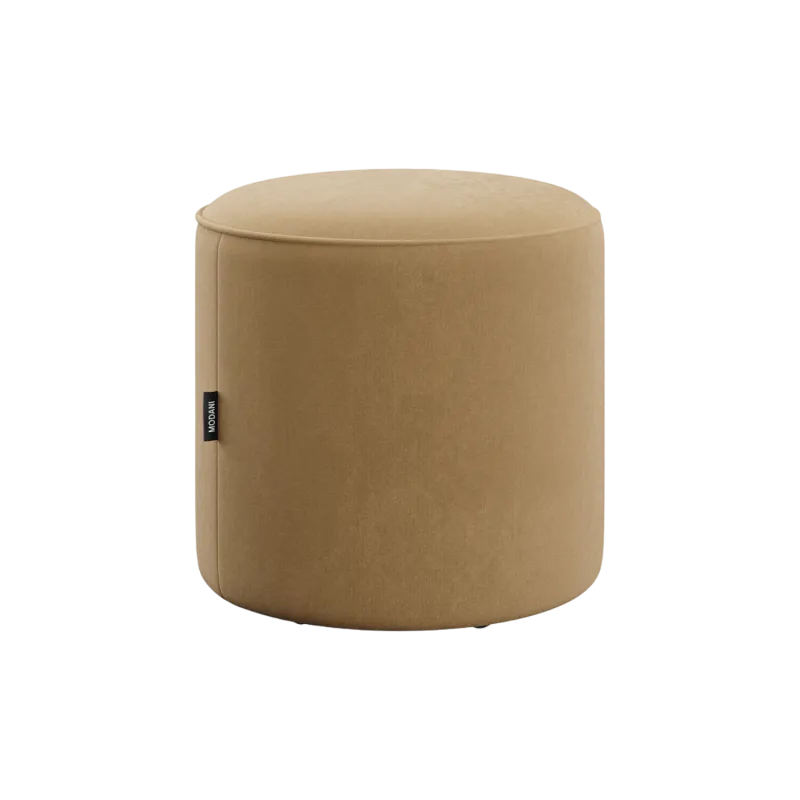
Ottoman in Camel Velvet with Elegant Tufted Design
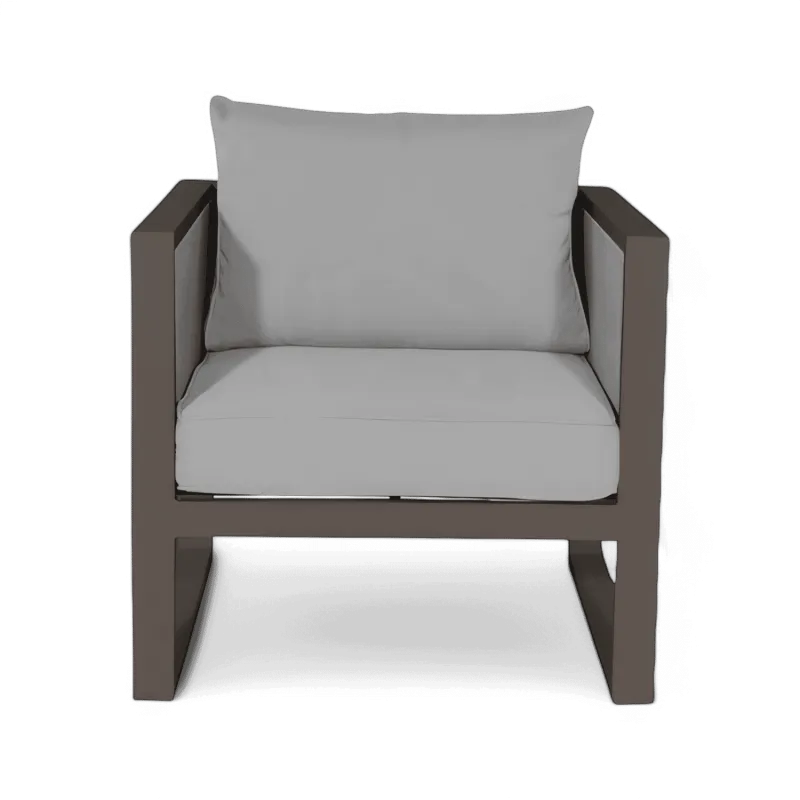
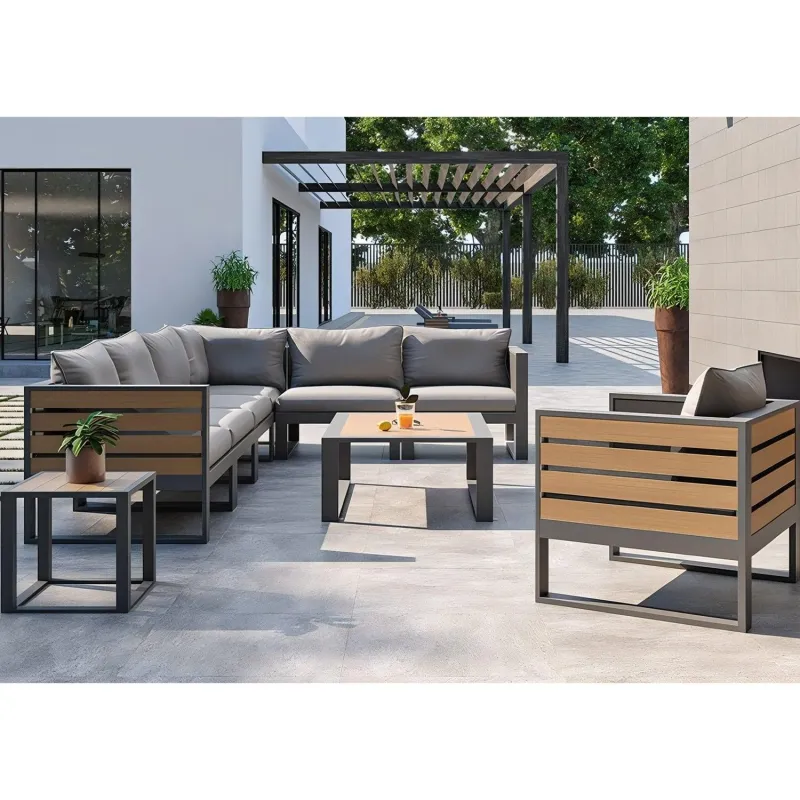
Outdoor Armchair in Taupe with Weather-Resistant Fabric

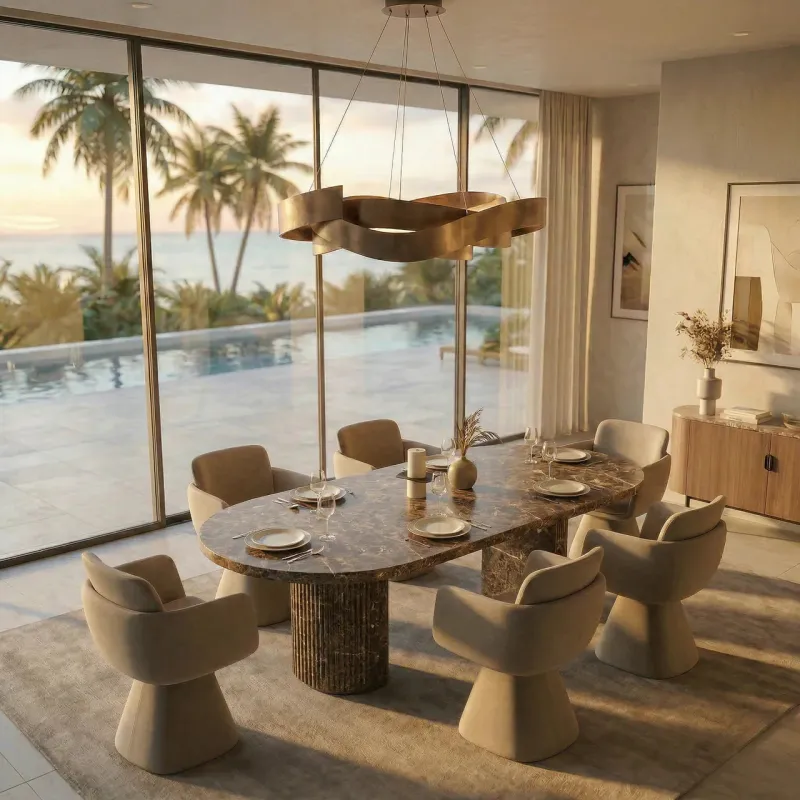
Swivel Dining Chair in Mocha with Sleek Design
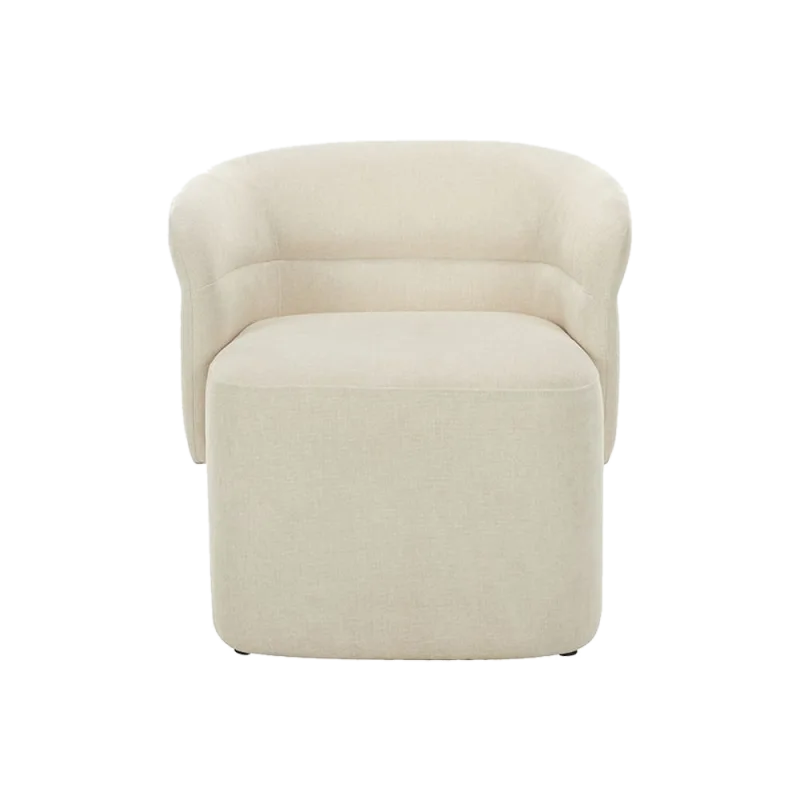

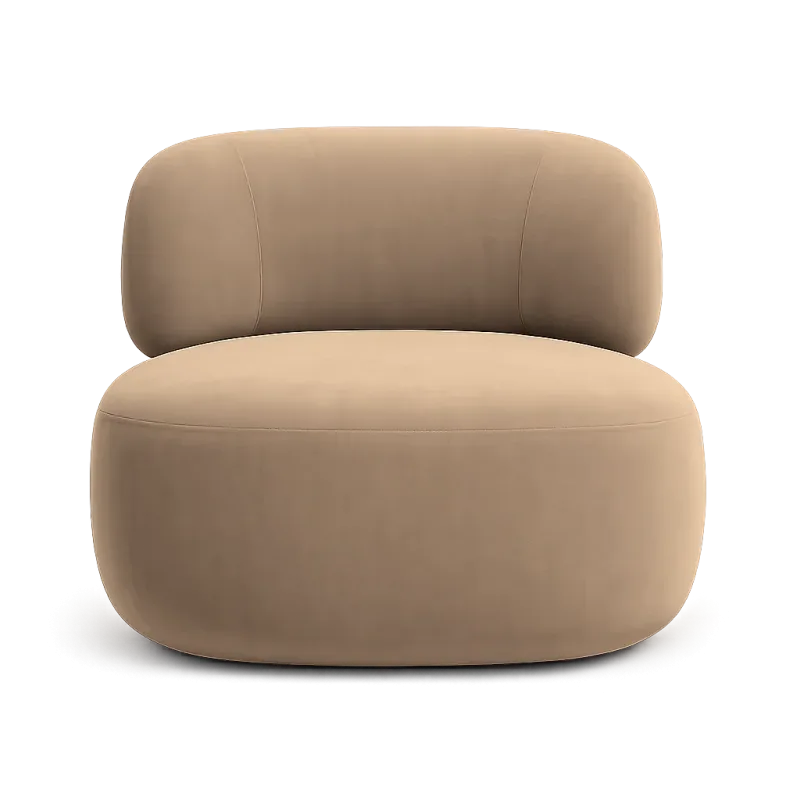
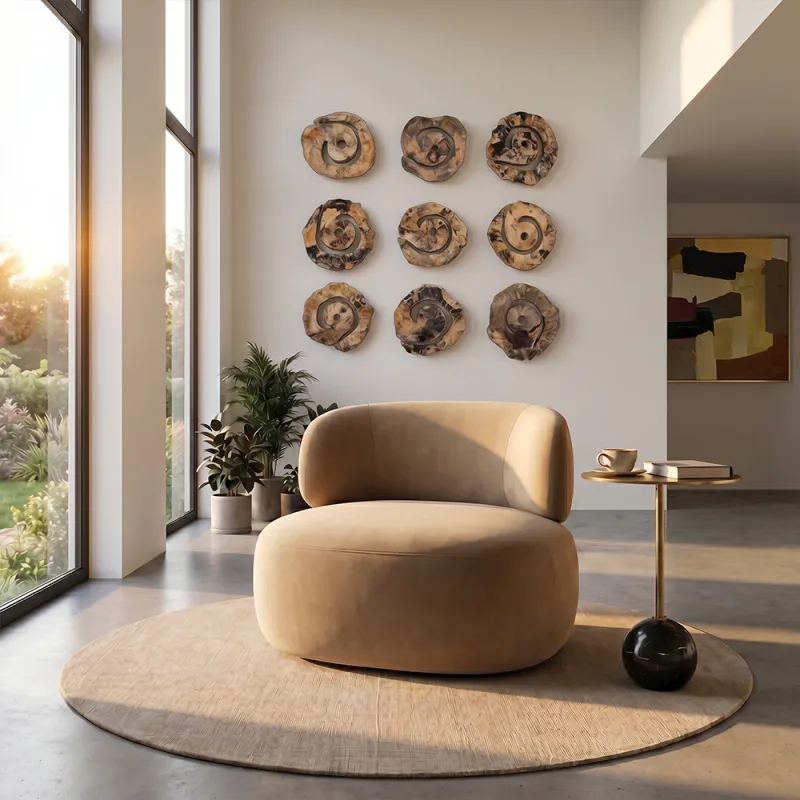
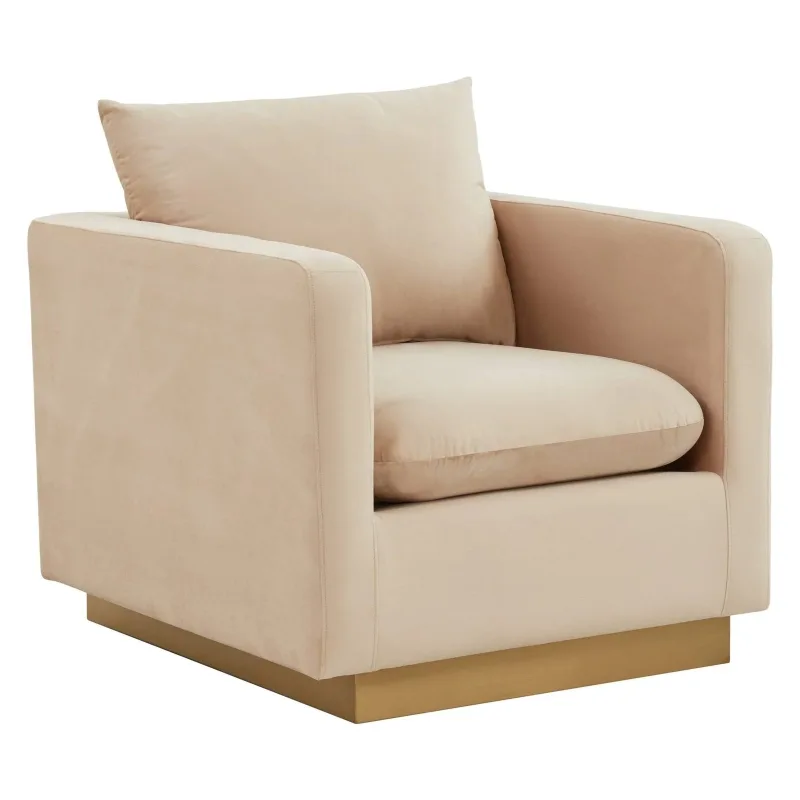
Swivel Lounge Chair in Beige Velvet with Curved Design
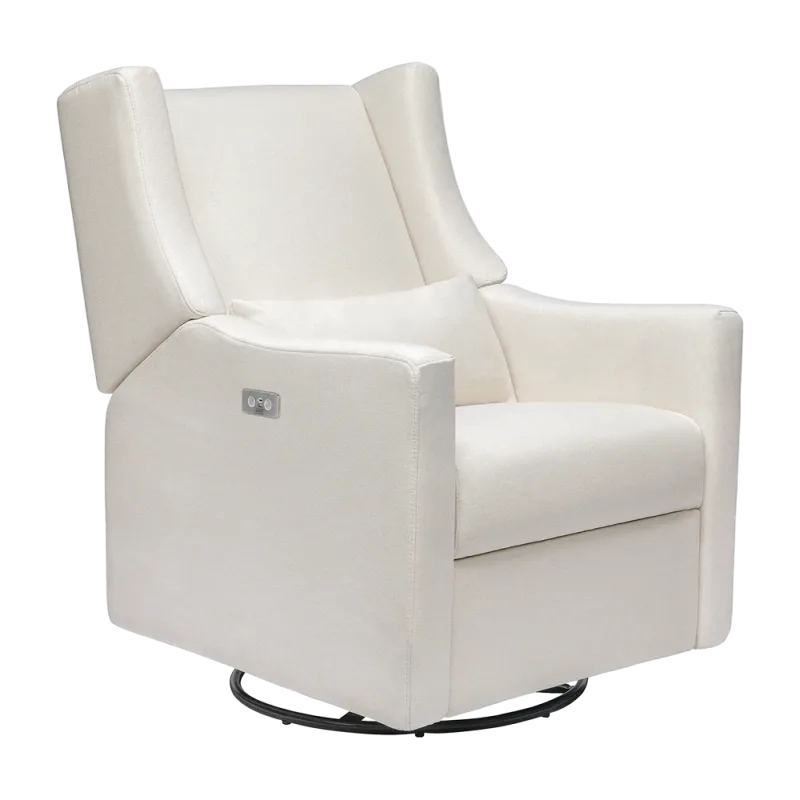

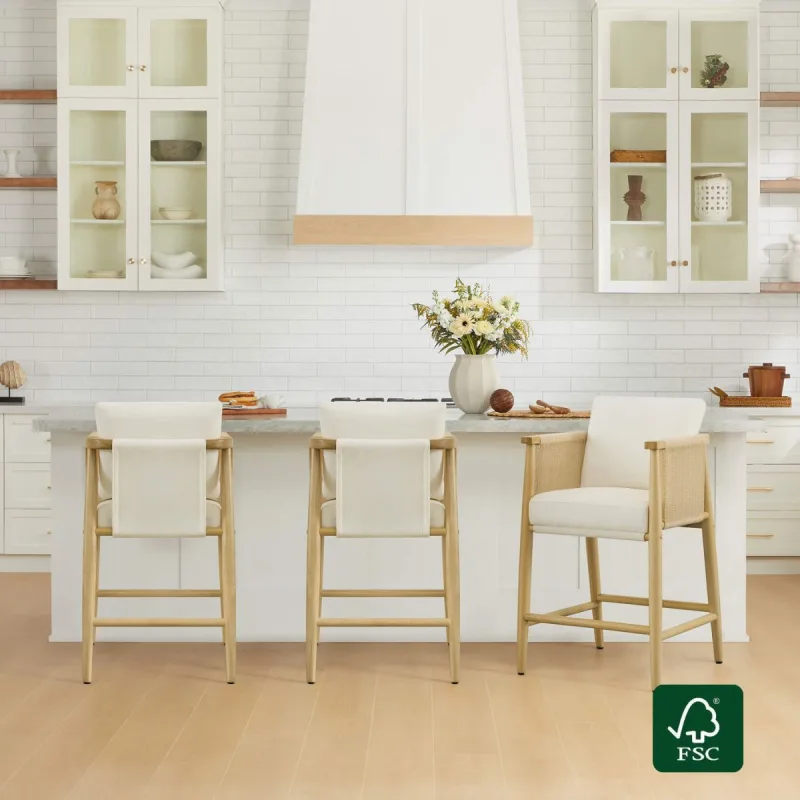
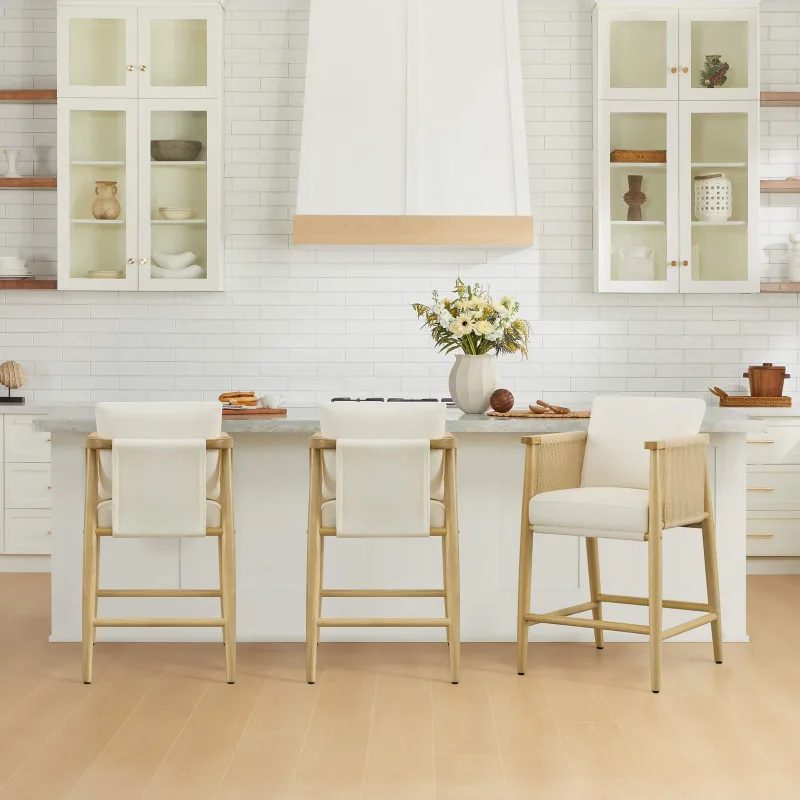
Modern Rope Counter Stools Set of 2 with Curved Back


Ottoman in Greige Boucle with Textured Fabric

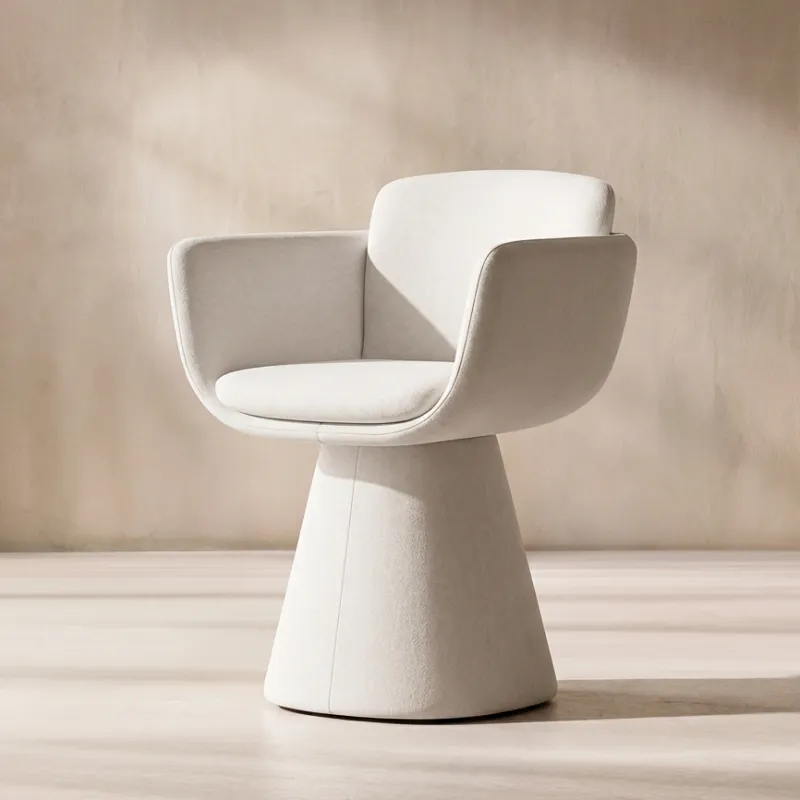
Swivel Dining Chair in Beige Fabric

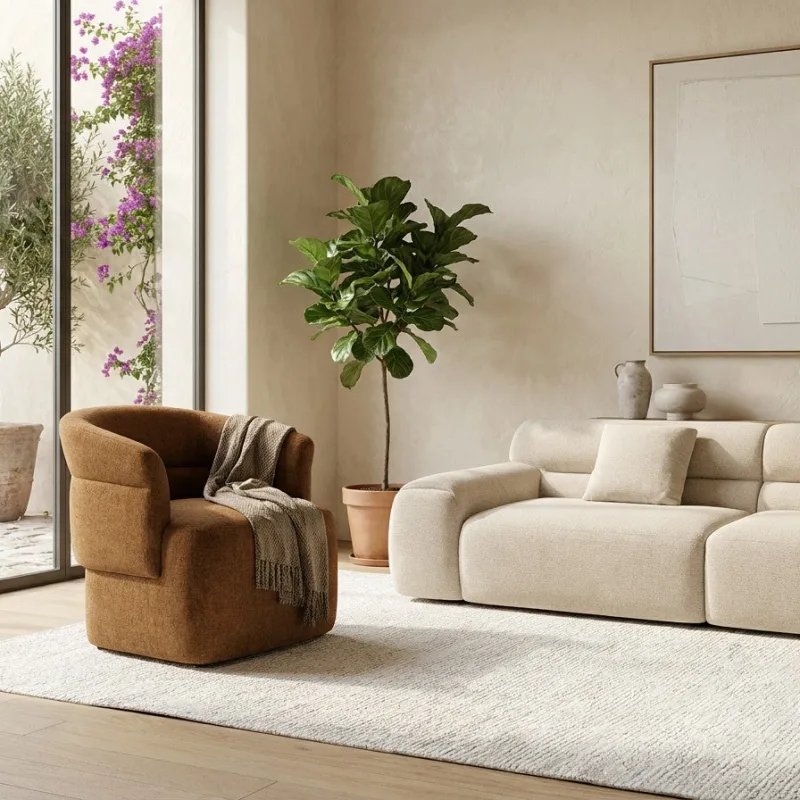
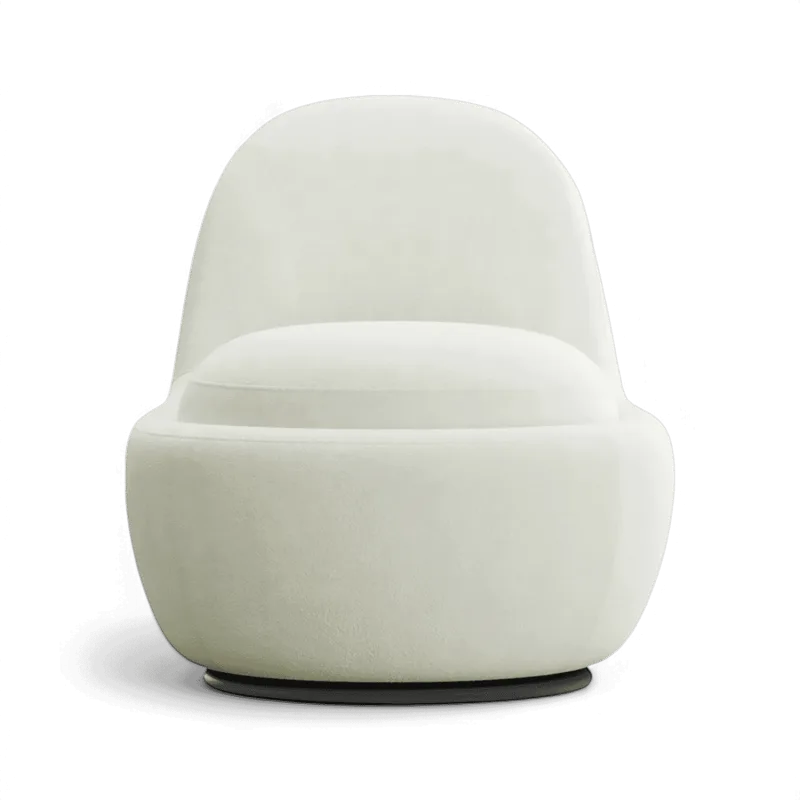
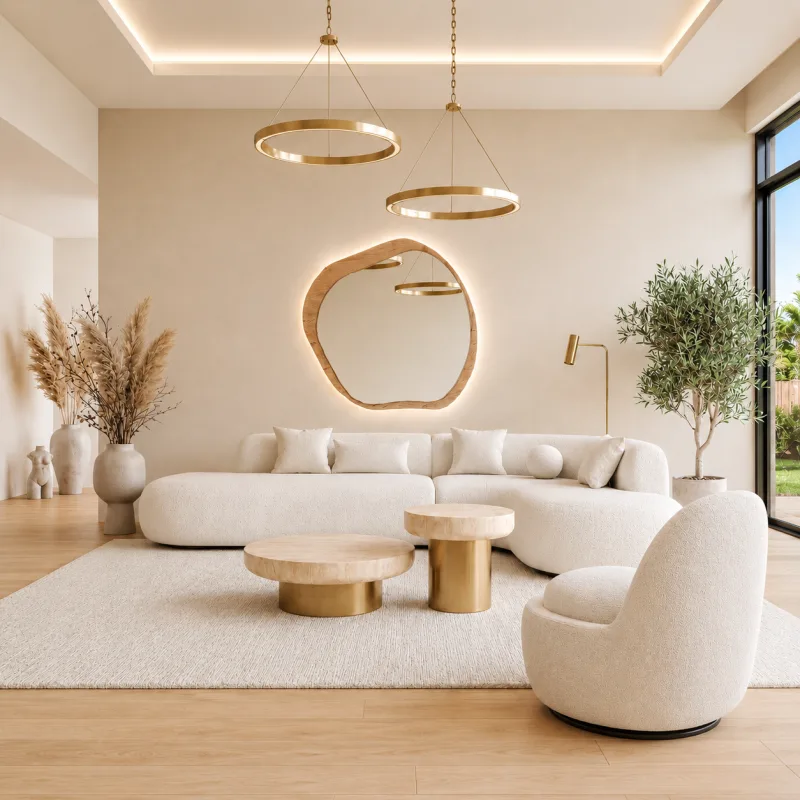
Swivel Lounge Chair in White Boucle with Curved Back


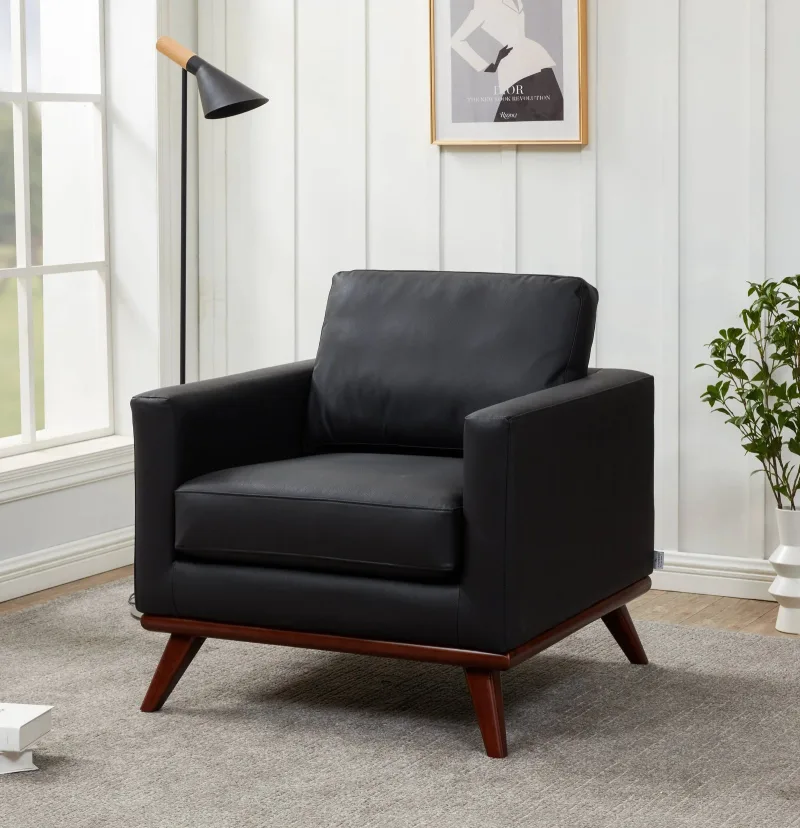


Boucle Counter Stools With Solid Wood Legs

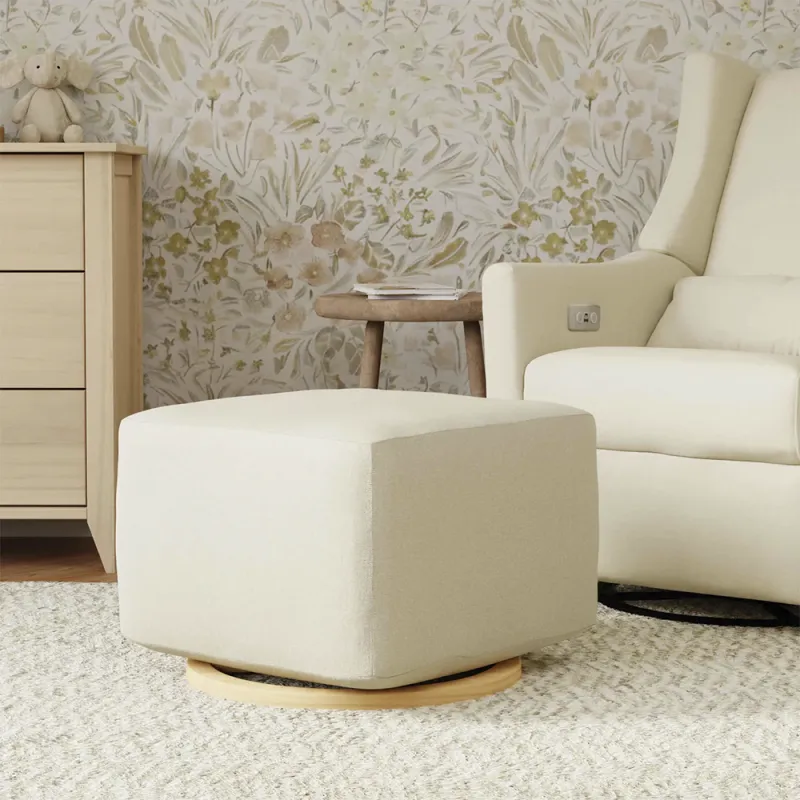
Gliding Ottoman in Kiwi Fabric
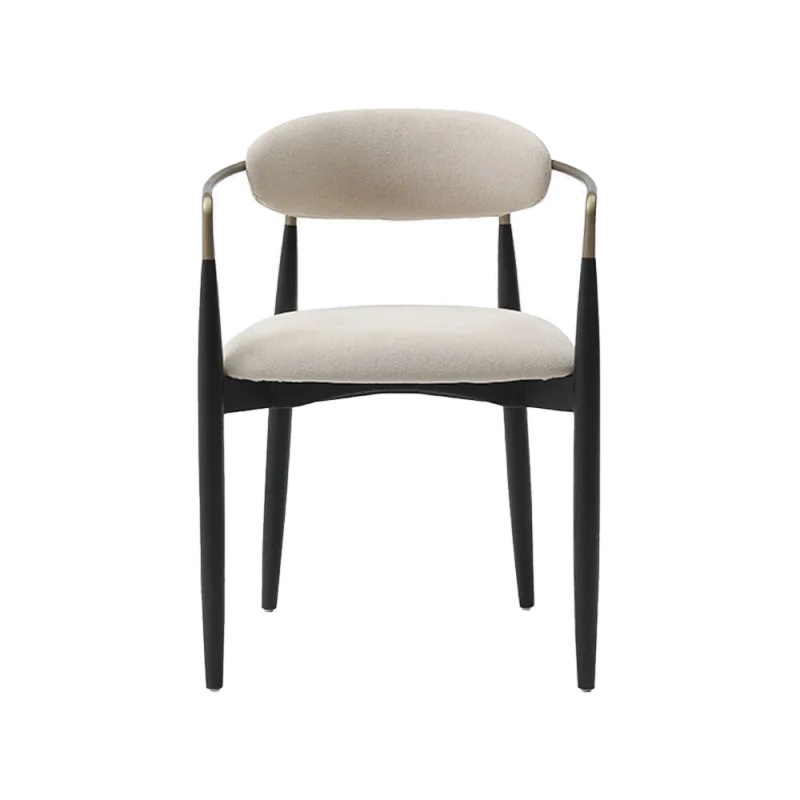
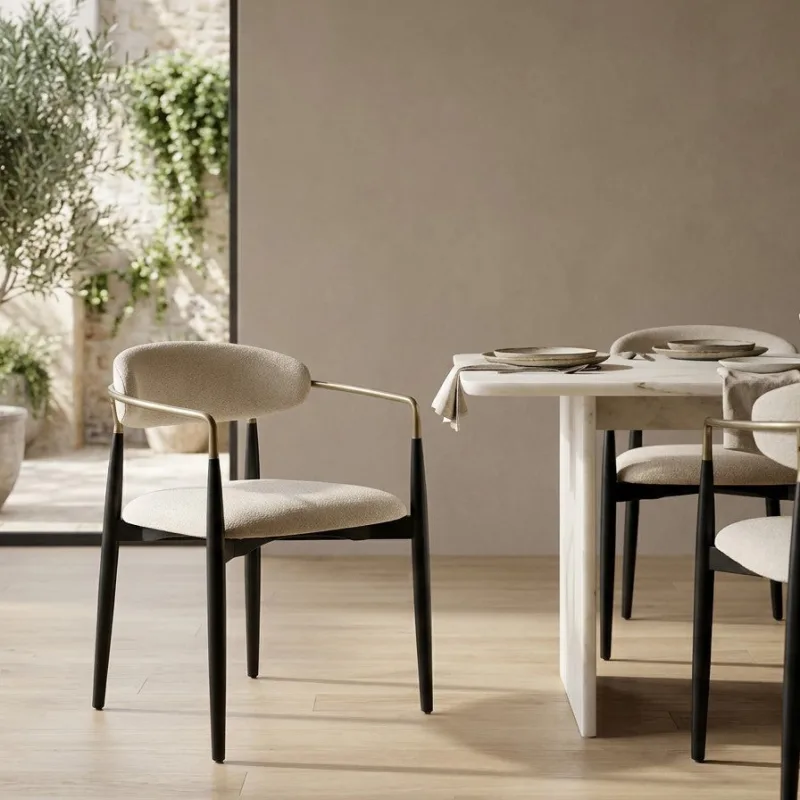
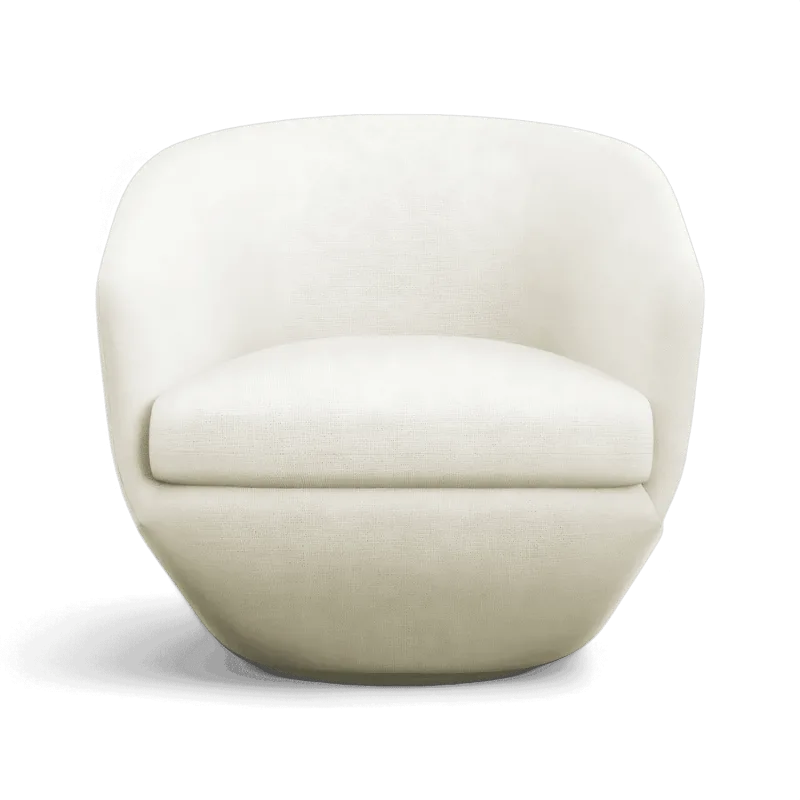
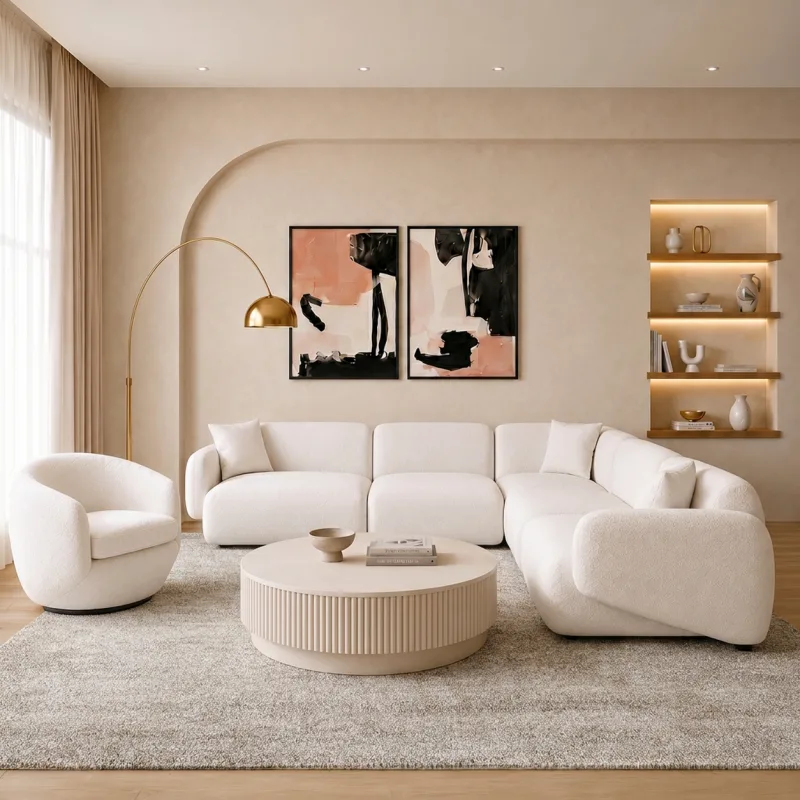
Lounge Chair in Off White with Curved Back Design

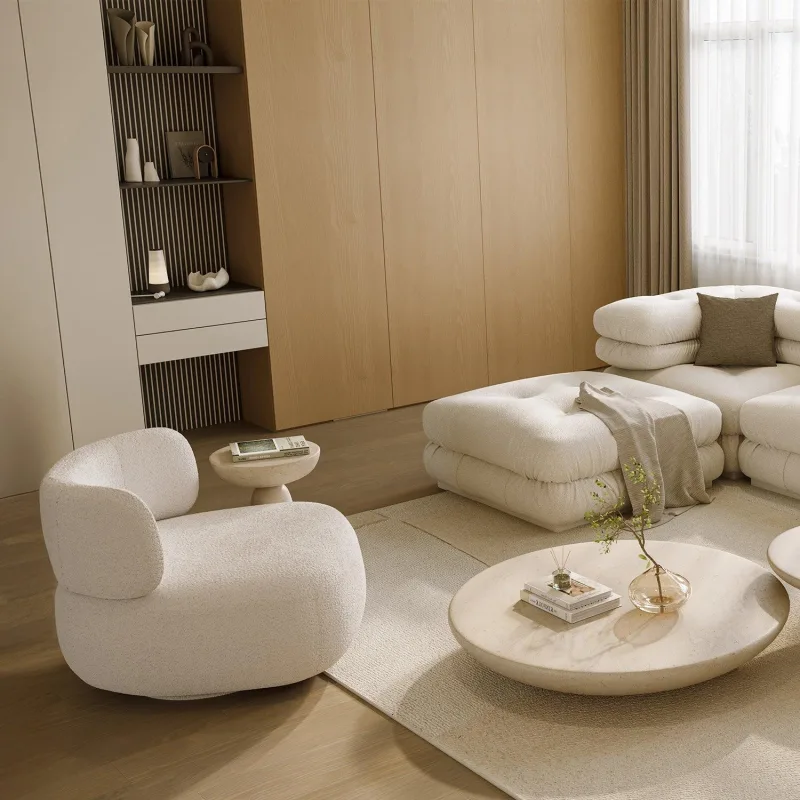
Swivel Lounge Chair in White Boucle with Curved Back
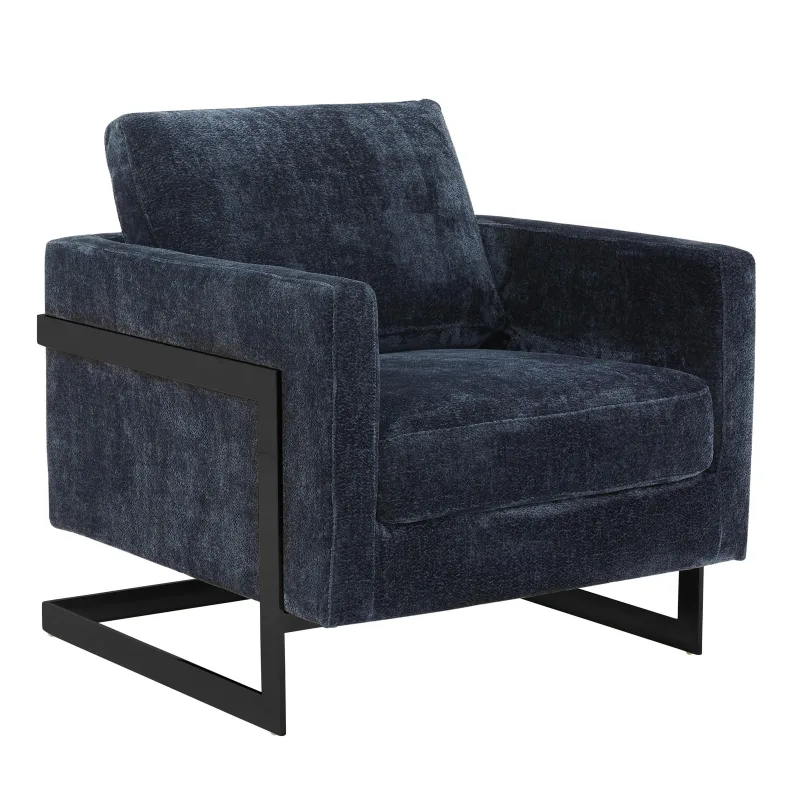

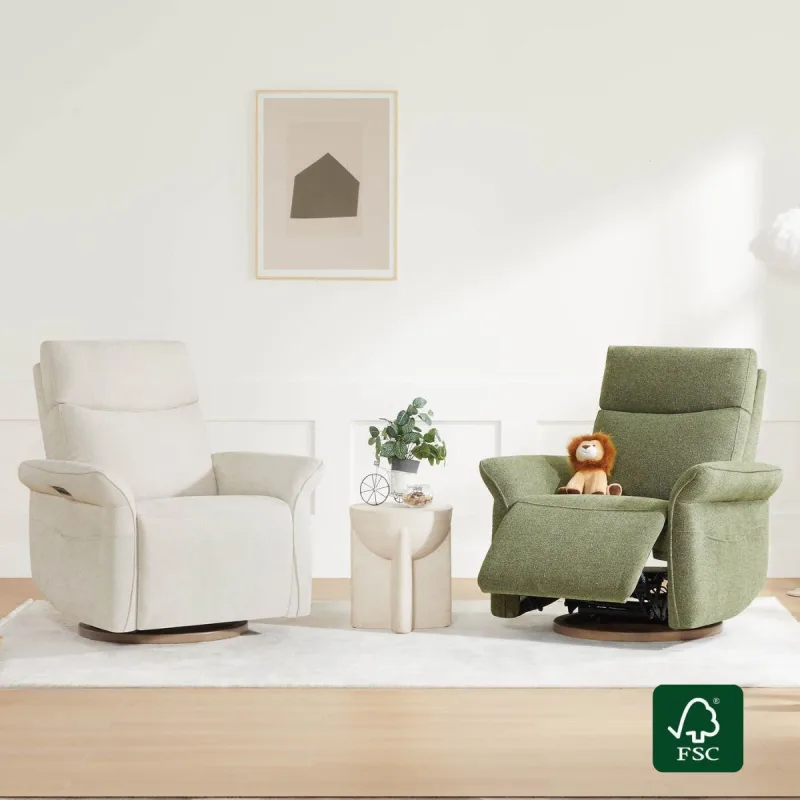
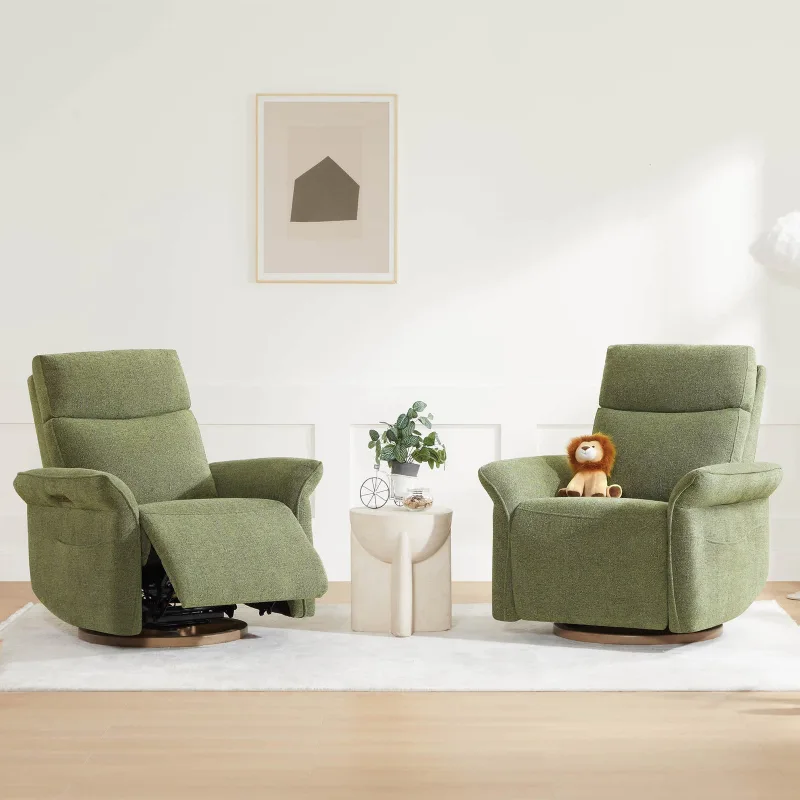
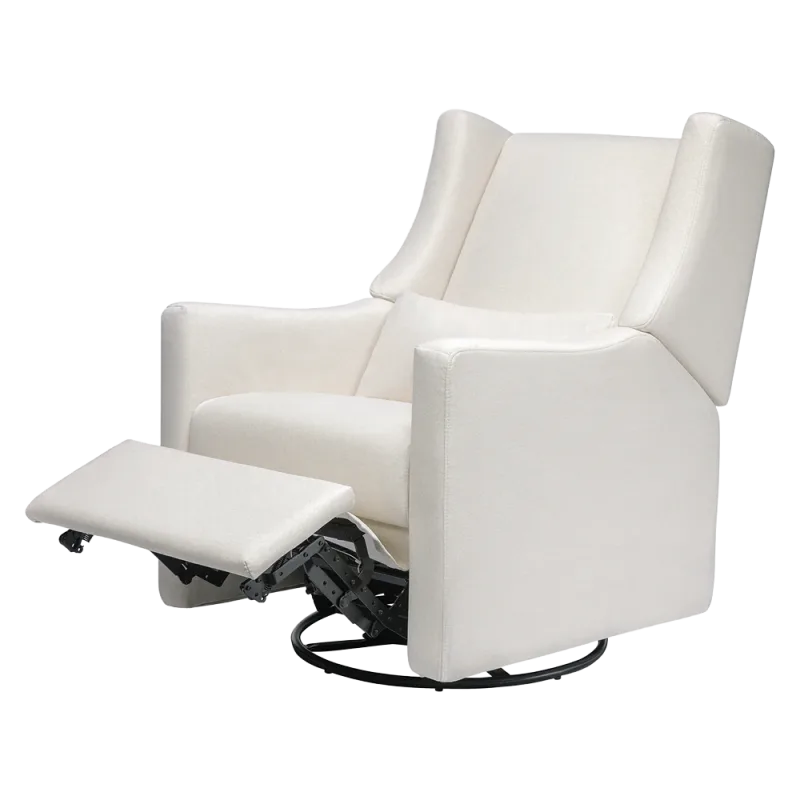
Vinca Power Swivel Glider Recliner with Lumbar Support
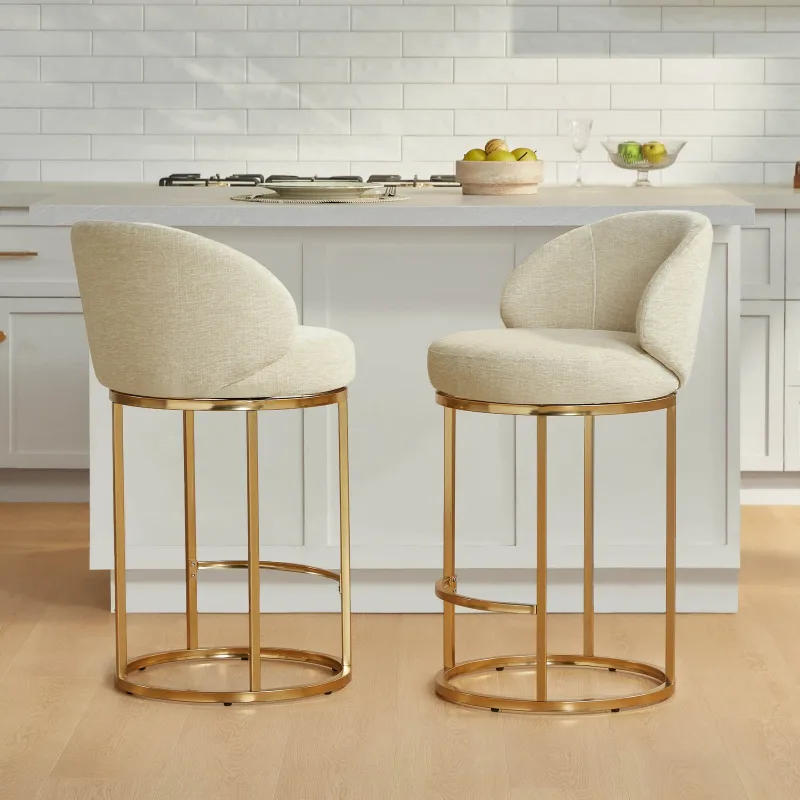

Chenille Swivel Counter Stool Set in Modern Design
Explore more
Before you buy
Chairs and Stools buying guide
What to measure, which fabric to pick and how to choose between the designs above.
Which type of chair do you need?
Start with what you will do in the chair, because each type is built for a different posture. Eating and working need an upright seat at table height. Talking and reading need a supportive armchair. Napping and watching films need a deeper seat or a reclining back. Perching at a kitchen counter needs a tall stool with a footrest. Pick the activity first and the right type follows.
| Type | Main job | Typical seat height | Where it goes |
|---|---|---|---|
| Accent chair | Extra seat with style | 42–46 cm | Living room, bedroom corner |
| Lounge chair | Relaxing, reading, lounging | 36–42 cm | Reading corner, living room, bedroom |
| Recliner chair | Feet up, napping, films | 45–50 cm | Living room, home theatre, parents' room |
| Sofa chair | Sofa comfort for one | 43–46 cm | Beside a sofa, as part of a set |
| Dining chair | Upright sitting at a table | 45–48 cm | Dining area, study desk |
| Counter stool | Perching at a kitchen counter | 61–66 cm | Kitchen island, breakfast counter |
| Bar stool | Perching at a bar-height counter | 74–79 cm | Home bar, high counters |
| Ottoman or bench | Footrest, spare seat, storage | 40–45 cm | Living room, foot of the bed, entrance |
Accent chairs
An accent chair is a single chair chosen to add colour, texture or shape to a room, while giving one more person a comfortable place to sit. It is usually lighter and smaller than a sofa chair, so it moves easily when guests come. Swivel chairs, barrel chairs, slipper chairs and wingbacks all fall into this group. Choose one when the room needs a seat and a bit of personality. Browse accent chairs or read accent chair vs armchair if the names confuse you.
Lounge chairs
A lounge chair is lower, deeper and more reclined than an accent chair, built for sitting back rather than sitting up. Ours have curved backs that wrap around the shoulders, and several come with a matching ottoman or a swivel base. It is the chair for a Sunday newspaper, a long phone call or a nap. The trade-off is that a low, deep seat is harder to get out of, so it suits younger and more active users best. See lounge chairs and our lounge chair buying guide.
Recliner chairs
A recliner chair tilts its back and raises a footrest, by a lever, a button or a motor. Our range includes manual and power recliners, wall-hugger designs that sit close to a wall, swivel gliders that rock gently, and lift recliners that tilt forward to help you stand. Recliners take the most floor space of any chair, so measure for the reclined length, not the upright one. Browse recliner chairs or read about choosing a recliner chair.
Sofa chairs
A sofa chair is a single seat built the way a sofa is built: a box frame, wide padded arms, a deep seat cushion and a full back cushion. It is heavier and more substantial than an accent chair and is often made to match a sofa, as in a 3+1+1 set. Choose it when you want sofa comfort for one person. See sofa chairs and single seater sofas.
Dining chairs
A dining chair holds you upright at the right height for a table, for an hour or more, with room to move your arms. Our range includes solid wood chairs with slatted or Windsor backs, upholstered chairs with curved backs, swivel dining chairs and chairs on casters, as well as banquettes with storage. The key numbers are a seat height of 45 to 48 cm and about 28 to 32 cm between the seat and the underside of the table. Browse dining chairs or read our dining chair buying guide.
Bar and counter stools
A stool lets you sit at a surface higher than a dining table. The height you need depends on the counter, not on looks: counter stools suit a kitchen counter of about 90 cm, and bar stools suit a bar top of about 105 cm. Choose swivel seats where people turn to talk, backs where they sit for long, and always a footrest. See bar and counter stools and our guide to bar stool height.
Ottomans and benches
An ottoman is a padded, backless seat that doubles as a footrest, a spare seat or a coffee table with a tray on top. Many have hidden storage for blankets and board games, which is valuable in a small flat. Benches do the same along a wall, at the foot of a bed or beside a dining table. You will find both in our ottomans and benches, and the difference between the two soft footstool types is explained in ottoman vs pouffe.
How to choose between two types
- Accent chair or lounge chair? If you will sit upright and talk, take the accent chair. If you will sit back and read for an hour, take the lounge chair.
- Lounge chair or recliner? A lounge chair is lighter, smaller and better looking in most living rooms. A recliner gives true leg support and suits anyone who naps in the afternoon or has tired legs.
- Accent chair or sofa chair? A sofa chair matches the sofa and is more padded. An accent chair contrasts and moves more easily.
- Dining chairs or a bench? Chairs are more comfortable for long meals. A bench seats more children along one side and tucks under the table.
- Counter stools or bar stools? Measure the counter. Subtract 25 to 30 cm from the counter height and that is your seat height.
- Ottoman or extra chair? If you need an extra seat only a few times a month, an ottoman takes less space and stores things too.
Chairs room by room
Living room
Most living rooms need the sofa plus one or two chairs. A pair of accent chairs opposite the sofa creates a conversation layout; a single recliner or lounge chair beside it gives one person a favourite spot. Add an ottoman if there is a gap in the middle.
Bedroom
A slipper chair or compact lounge chair by the window gives you a place to read or put on shoes. A bench at the foot of the bed holds the next day's clothes.
Nursery
A swivel glider recliner is the most useful chair for night feeds, because it rocks gently and reclines without a lever to reach for.
Kitchen and dining
Dining chairs around the table and two or three counter stools at a breakfast counter. Wipeable fabrics or leather are worth it here.
Study or home office
An upholstered dining chair with a supportive back often works better at a home desk than a bulky office chair, and it looks like furniture rather than equipment.
Chairs for older parents
For parents and grandparents, the right chair is one they can sit down into and stand up from without help. Look for firm arms at about 20 to 25 cm above the seat, a seat height of 45 to 50 cm and a cushion that does not sink. Avoid low lounge chairs, deep pit seats and stools without backs. A power lift recliner, which tilts forward gently, helps many people with stiff knees. Read our guide to seating for elderly parents for more.
Chairs for small flats
In a 1 or 2 BHK, each chair should earn its floor space. A swivel chair can face the TV in the evening and the dining table at lunch. Counter stools tuck fully under a breakfast counter. A storage ottoman holds bedding for guests and becomes a seat when they arrive. Choose raised legs and slim arms so the floor stays visible, which makes the room feel bigger. Our small living room ideas for Mumbai flats show these ideas in real layouts.
Keeping chairs consistent across the home
Chairs from different rooms are often seen together, especially in open plan flats where the dining chairs sit a few steps from the living room. They do not need to match, but they should share something. Repeat one wood tone across dining chairs, side tables and the legs of an accent chair, or repeat one colour in the dining seats and the living room cushions. Mixing leather and fabric is fine; mixing three different woods usually looks accidental.
Fabrics for chairs that work hard
Dining chairs and stools are touched by hands, food and spills every day, so choose performance fabric, leatherette or leather for them. Accent and lounge chairs get gentler use and can carry boucle, velvet or a bold pattern. Recliners rub at the arms and footrest, so a tight weave or leather lasts longest. In humid Mumbai weather, avoid very loose weaves that hold moisture and smell.
What changes the price of a chair
Size, frame and mechanism drive most of the cost. Solid wood frames, curved backs, hand tufting and genuine leather add to the price; so do swivel bases, gliding mechanisms and motors in recliners. A simple armless chair costs far less than a power lift recliner. Each product page shows a starting price in the pictured fabric, and we confirm the final price before production if you change the covering.
Before you order: a short checklist
- Write down what the chair is for: eating, talking, reading, napping or perching.
- Measure the table or counter height if it is a dining chair or stool.
- Measure the floor space, including swivel room or the full reclined length.
- Check who will use it most, and whether they need firm arms or a higher seat.
- Choose a covering for the wear it will get, not only for the colour.
- Note the lift and door sizes for recliners and large chairs.
Made to order
Every chair and stool is built after you order, so you can choose the fabric or leather, order dining chairs in sets that match exactly, or pick a different fabric for each accent chair. In many designs, seat height or leg finish can change too. Send us your table or counter height on WhatsApp and we will confirm the right chair or stool height before production.
Delivery and care
Most chairs and stools arrive assembled or need only legs screwed on. Recliners arrive in two parts that clip together. Stick felt pads under every leg on marble and tile, and lift chairs rather than dragging them. Vacuum fabric seats weekly, wipe dining seats after meals, and in the monsoon keep chairs a few centimetres away from damp outside walls.